The Best Blenders of 2026
Compared on the specs that decide a blend — motor class, jar size, what fits under your cabinets, and how honest the power claims are.
Disclosure:Watt & Whisk is reader-supported. When you buy through links on this page we may earn an Amazon Associates commission, at no extra cost to you. Prices are pulled live from Amazon and shown with the date checked. How this works.
For most kitchens the Vitamix 5200is still the blender to buy: a 64-ounce jar, a 2-HP motor, and a self-cleaning design backed by a 7-year warranty — the one people keep for a decade. If that's more than you need, the Ninja Professional Plus BN701 crushes ice and makes daily smoothies for a quarter of the price, the Vitamix Propel 510 fits the same quality under a low cabinet, and the NutriBullet Pro blends a single cup and stores in almost no space. Prices below are pulled live from Amazon.
The short answer
Quick picks
| # | Product | Best for | Score | Price |
|---|---|---|---|---|
| 01 | 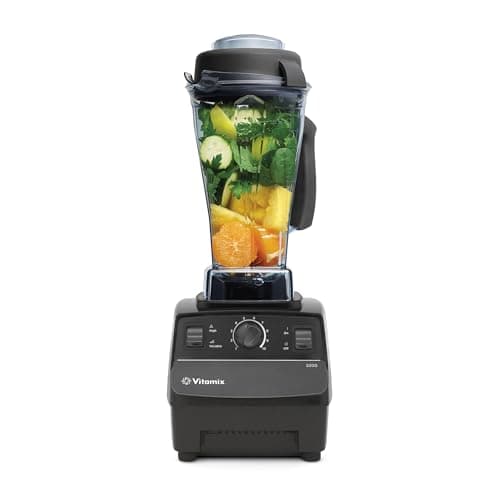 Vitamix 5200 The 5200 is the workhorse Vitamix — a tall 64-oz jar, an aircraft-grade blade, and a variable dial that takes it from a silky smoothie to hot soup by friction. Expensive, but it's the one people keep for 15 years. Self-Cleaning 64 oz | Best overall blender | 4.6★★★★★ | $479.00Amazon |
| 02 | 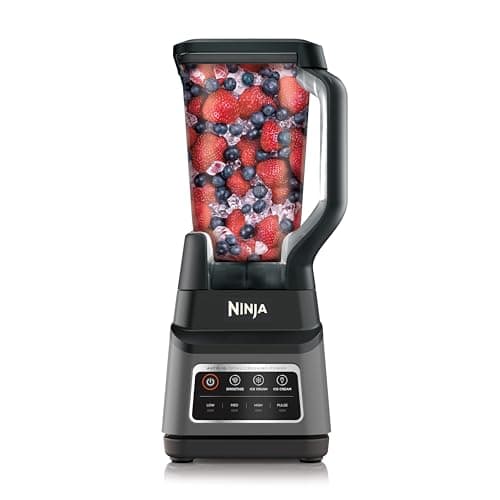 Ninja Professional Plus BN701 The BN701 is the value champion: strong ice-crushing power, Auto-iQ programs, and a big pitcher for a fraction of a Vitamix. It won't self-clean or make hot soup, but for daily smoothies it's plenty. Professional Plus Blender · 1400W | Best value blender | 4.3★★★★★ | $89.99Amazon |
| 03 | 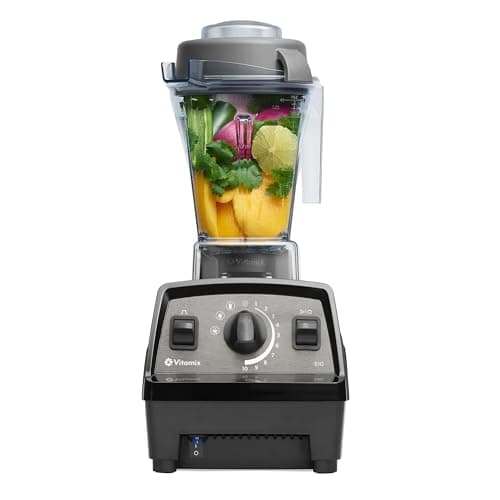 Vitamix Propel Series 510 The Propel 510 is the compact Vitamix: the same 2 HP motor and laser-cut stainless blades as the pricier machines, a self-cleaning 48-oz container, and a 17.5-inch body that clears a standard cabinet. It also adds three automatic programs — smoothie, hot soup and frozen dessert — that run and shut off on their own. 48 oz | Best compact Vitamix | 4.5★★★★★ | $389.00Amazon |
| 04 | 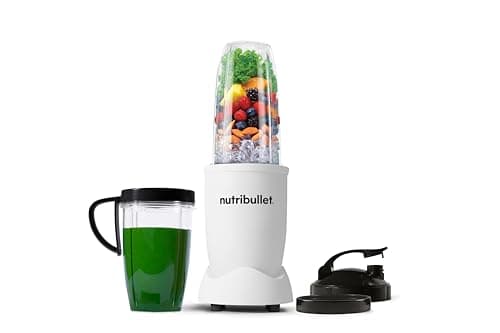 NutriBullet Pro 900 A 900-watt personal blender that blends straight into a to-go cup and stores in almost no space. For single smoothies in a small kitchen, it beats hauling out a full-size pitcher. 32 oz Cup · 900W | Best personal blender | 4.2★★★★★ | $69.99Amazon |
#ad · Live prices from the Amazon Product API, as of October 17, 2026. Where we have no verified live price, we show none — a gap beats a number that has rotted.
The picks, in detail
Vitamix 5200
spec score /5
Price as of October 17, 2026. Prices change — Amazon's is the one that counts.
#ad · we may earn a commission from this link to Vitamix 5200
The 5200 is the workhorse Vitamix — a tall 64-oz jar, an aircraft-grade blade, and a variable dial that takes it from a silky smoothie to hot soup by friction. Expensive, but it's the one people keep for 15 years.
- Capacity
- Self-Cleaning 64 oz
- Footprint (W×D×H)
- 7.25 × 8.75 × 20.5 in
- Weight
- 10.9 lb
- Warranty
- 7-Year Limited Warranty
- Blends anything to a genuinely smooth texture
- Runs for years; 7-year warranty class
- Self-cleans with soap and warm water
- Premium price
- Tall — may not fit under cabinets
- Loud at full speed
Ninja Professional Plus BN701
spec score /5
$119.9925% off
Price as of October 17, 2026. Prices change — Amazon's is the one that counts.
#ad · we may earn a commission from this link to Ninja Professional Plus BN701
The BN701 is the value champion: strong ice-crushing power, Auto-iQ programs, and a big pitcher for a fraction of a Vitamix. It won't self-clean or make hot soup, but for daily smoothies it's plenty.
- Capacity
- Professional Plus Blender
- Footprint (W×D×H)
- 9 × 6.75 × 17.5 in
- Power
- 1400 W
- Weight
- 8.1 lb
- Cost per use*
- ≈8¢
- Est. per year*
- ≈$17
- Warranty
- 1 year limited warranty
- Crushes ice easily
- Auto-iQ preset programs
- A quarter of a Vitamix's price
- Stacked blades are fiddly to clean
- Plastic build vs premium blenders
- Not for hot blending
*Cost-to-run computed from the manufacturer's stated 1400W at $0.17/kWh (US average), 20-min sessions, 4×/week. Your rate and use will vary.
Vitamix Propel Series 510
spec score /5
$499.9522% off
Price as of October 17, 2026. Prices change — Amazon's is the one that counts.
#ad · we may earn a commission from this link to Vitamix Propel Series 510
The Propel 510 is the compact Vitamix: the same 2 HP motor and laser-cut stainless blades as the pricier machines, a self-cleaning 48-oz container, and a 17.5-inch body that clears a standard cabinet. It also adds three automatic programs — smoothie, hot soup and frozen dessert — that run and shut off on their own.
- Capacity
- 48 oz
- Footprint (W×D×H)
- 7.5 × 9 × 17.5 in
- Weight
- 9.6 lb
- Warranty
- 5-year full warranty covers parts, labor and return shipping both ways.
- 17.5 inches tall — fits under a standard cabinet
- Smoothie, hot soup and frozen dessert programs run unattended
- Self-cleaning 48-oz container and a five-year warranty
- 48-oz container means batching soup for four
- Premium price — a capable Ninja costs a quarter as much
- No wireless container detection like the Ascent line
NutriBullet Pro 900
spec score /5
$99.9930% off
Price as of October 17, 2026. Prices change — Amazon's is the one that counts.
#ad · we may earn a commission from this link to NutriBullet Pro 900
A 900-watt personal blender that blends straight into a to-go cup and stores in almost no space. For single smoothies in a small kitchen, it beats hauling out a full-size pitcher.
- Capacity
- 32 oz Cup
- Footprint (W×D×H)
- 5.5 × 5.5 × 7.9 in
- Power
- 900 W
- Cost per use*
- ≈5¢
- Est. per year*
- ≈$11
- Blend-and-go cup design
- Tiny footprint (5.5 in)
- Rinses clean in seconds
- Single-serve only
- Not for hot or large batches
- Can stall on very thick blends
*Cost-to-run computed from the manufacturer's stated 900W at $0.17/kWh (US average), 20-min sessions, 4×/week. Your rate and use will vary.
How the blender category divides
Almost every blender spins a blade in a jar; what separates them is motor design, jar and blade materials, and how long the maker stands behind it. Ignore the marketing and the field sorts into four honest groups, and picking your group first makes the rest of the decision easy.
Full-size premium
This is Vitamix territory. The 5200 pairs a tall 64-ounce jar with a 2-HP motor and self-cleans with a drop of soap and warm water; it blends fibrous kale and frozen fruit to a genuinely smooth texture and can heat soup by blade friction alone. It stands 20.5 inches tall, so measure your cabinet clearance first. The Propel 510is the same 2-HP motor and blade quality in a shorter 17.5-inch body with a 48-ounce jar, plus smoothie, hot soup and frozen dessert programs — the sensible pick if the 5200 won't fit or costs too much. Vitamix backs these 5 to 7 years, which is the real reason they cost what they do.
Vitamix alone sells five machines you can buy today, under four family names, and the model numbers tell you nothing about the two specs that decide it: whether the jar is 48 or 64 ounces, and whether the machine clears your cabinets. Vitamix models compared puts the whole line in one table — including the newer Ascent X machines, which carry ten-year warranties, and the two models that publish no motor rating at all.
Full-size value
The Ninja Professional Plus BN701is the value champion: a 72-ounce pitcher (64 ounces of liquid), Auto-iQ preset programs, and enough power to crush ice for daily smoothies and frozen drinks. The trade-offs are honest — a plastic build, stacked blades that are fiddlier to clean, no self-clean cycle, and it isn't built for hot blending. For most households that only make cold smoothies, none of that matters.
Personal and single-serve
The NutriBullet Prois a 900-watt motor that blends straight into a 32-ounce to-go cup and lives in a 5.5-inch footprint. For one person's smoothie it beats hauling out a full-size pitcher, and it rinses clean in seconds. It is single-serve only, though — not for hot blends or family batches. If counter space is your main constraint, see our small-kitchen appliance guide.
Handheld and immersion
The fourth group is the one people forget: a motor in a handle with a blade on the end of a shaft, which goes into the pot instead of the pot going into a jug. That makes it the right tool for hot soup, small quantities and anything you would rather not decant while it is boiling, and it stores in a drawer. Our best immersion blenders guide ranks them on the two specs makers rarely print — how deep the shaft reaches, and whether the guard is safe on a nonstick pan.
What actually decides the price
Not the wattage sticker. Vitamix rates its motors in horsepower and doesn't chase a headline watt number; Ninja and NutriBullet quote a "peak watt" figure that the motor hits for an instant, not a rating you can compare across brands. A 1,400-peak-watt Ninja is not somehow more powerful than a Vitamix. What you're really paying for is motor durability, jar and blade quality, self-cleaning, and warranty length — read how we weigh those on our review method.
What a blender costs to run
Almost nothing. A blender runs for a minute or two, not hours, so even the 1,400-watt Ninja at a couple minutes a day works out to well under a penny per smoothie — on the order of a quarter a month at the US average electricity rate (source below). The running cost that actually matters is replacement: a cheap blender you swap every few years can cost more over a decade than one premium machine that outlives it. Cleanup is the other daily tax to weigh: the Vitamix jars self-clean with a drop of soap and warm water in under a minute, while the Ninja's stacked blade assembly comes apart to wash and takes a little longer. None of these are hard to live with, but if you blend every morning, the self-clean models are the ones you'll actually keep using.
The mistake buyers make
Two of them. First, buying on the peak-watt number instead of the motor rating and warranty. Second, buying a personal blender to save money, then wishing it made soup or a family batch. Decide honestly up front: single cups on the go point to a personal blender; smooth green smoothies, nut butters, and hot soup point to a full-size machine.
Who should buy what
Daily green smoothies with tough greens and frozen fruit, or hot soup: the Vitamix 5200. A tight cabinet or a smaller budget with the same quality: the Propel 510. Mostly ice and cold smoothies on a budget: the Ninja BN701. One person and no counter to spare: the NutriBullet Pro. If you also chop and slice a lot, a food processordoes jobs a blender can't, and vice versa. Torn between the two big names? Our Vitamix vs. Ninja comparison settles it on hot blending, cleanup and warranty rather than the wattage sticker.
Go deeper
If you know what you want the blender for, start with the guide that matches the job rather than the brand. Our best blenders for smoothies ranks the field on how each machine behaves under a frozen load, which is the thing that actually separates them. If the budget has a hard ceiling, best blenders under $100 sets out exactly which compromises you are accepting at that price. And if you are the only person drinking it, best personal blenders covers the blend-and-go class, which is usually the smarter buy for one.
Still working out what you need? The blender buying guide explains why the wattage on the box misleads and which six specs decide the purchase, and blender vs. food processor draws the line between the two machines people most often confuse. If soup is the main reason you are shopping, start instead with best immersion blenders — a stick blender does that one job better than any jug machine. If you bake as well as blend, our stand mixers for bread guide covers the dough end, and mini food processors covers the chopping most blenders handle badly.
Buying a blender as the first appliance in a new place? Our first apartment kitchen appliances guide sets out where a blender sits in the buying order — second, after an air fryer — and which type to get depending on whether you are blending for one or for a household. Buying one for somebody else? Best kitchen appliance gifts sorts the whole range by budget and filters for the thing that decides whether a gifted appliance gets used: whether the recipient has anywhere to put it.
Three more blender questions this hub now answers. On materials, best non-toxic blenders ranks the field on what each maker publishes about the jar — a blender has no coating, so the whole question is glass versus a plastic with a written BPA-free claim — and are plastic blender jars safe is the longer answer on polycarbonate, Tritan and why heat is the variable that matters. On durability, how long do blenders last publishes the warranty table for every machine here and sets out what actually fails first, which is usually a replaceable part rather than the motor.
One more cross-shop this hub now settles. Ninja vs. NutriBullet explains why the two brands people compare most are not really competing: Ninja sells a 72-ounce pitcher you pour from, NutriBullet sells a cup you drink from, and the published max-liquid figure on those pitchers is 64 ounces rather than 72. Wattage is the wrong lens for that comparison and the page shows why.
And one job in this category is decided by a part rather than a motor. Best blenders for nut butter ranks the field on whether a tamper comes in the box, because peanut and almond butter contain no added liquid and simply pack into an air pocket around the blade without one. It is also the only page here that argues for the smaller container, and it names the cheaper non-blender route for anyone whose main reason to shop is that one recipe.
If you are buying for one specific job rather than for the kitchen in general, the most common one has its own page: best blenders for protein shakes, which explains why clumping is a circulation problem rather than a wattage one — and makes the case for not buying a blender at all if your shake is only powder and milk.
More blenders guides
Comparison
Vitamix vs. Ninja: Which Blender Is Actually Worth It?
Vitamix vs Ninja on motor rating, jar size, hot blending, cleanup and warranty — and who each one is really for.
Roundup
The Best Blenders for Smoothies
Five smoothie blenders ranked on frozen-load handling, jar size, cleanup and warranty — from a $90 Ninja to a decade-long Vitamix.
Roundup
The Best Personal Blenders
Four blend-and-go blenders compared on cup size, footprint, power and cleanup — including a cordless one.
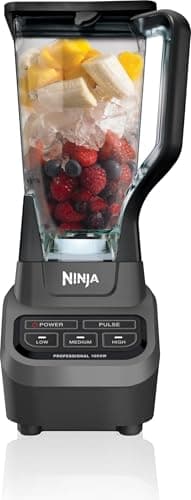
Roundup
The Best Blenders Under $100
Five blenders under $100 ranked on jar size, frozen-load handling and materials, with the trade-offs stated plainly.
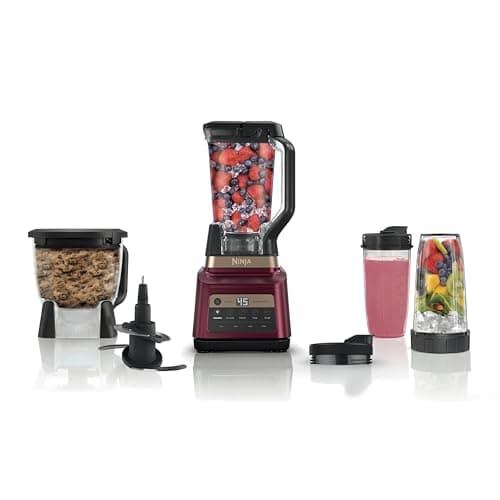
Comparison
Blender vs. Food Processor: Which Do You Actually Need?
The honest line between a blender and a food processor, which to buy first, and when a combo machine is the right answer.
Guide
Blender Buying Guide: The Specs That Actually Matter
Why blender wattage misleads, what jar shape and blade design really do, and the six specs worth checking before you buy.
Review
Vitamix 5200 Review
The Vitamix 5200 on motor rating, jar design, the tamper, self-cleaning and warranty — and who should buy the Propel 510 instead.
Review
Ninja Professional Plus BN701 Review
The Ninja BN701 on stacked blades, Auto-iQ presets, real pitcher capacity, cleanup and the no-hot-liquids rule.
Comparison
NutriBullet vs. Magic Bullet: What Is the Difference?
NutriBullet vs Magic Bullet on power, cup size, warranty and what each can genuinely handle — plus where each one stops.
Roundup
The Best Blenders for Hot Soup
Which blenders are genuinely rated for hot contents, why sealing hot soup builds pressure, and the immersion-blender shortcut.
Guide
How to Clean a Blender
The 30-second self-clean, the gasket that causes smells, cloudy jars, and what should never go in the dishwasher.
Roundup
The Best Blenders for Crushing Ice
What actually lets a blender crush ice — motor, blades and jar shape — and the machines that do it without dying.
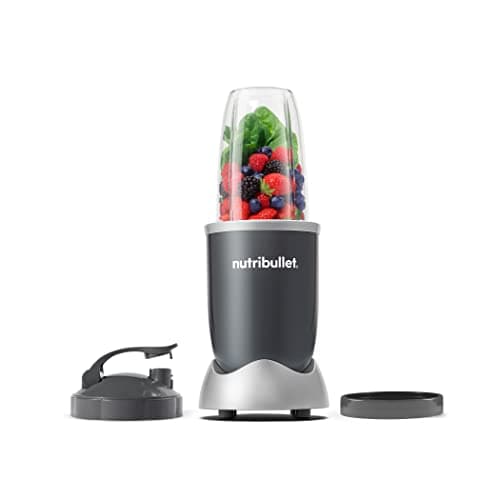
Guide
How Many Watts Do You Need in a Blender?
Watts by job — smoothies, ice, nut butter, hot soup — why the number misleads, and the real cost to run.
Guide
Are Blenders Worth It?
What a blender does that nothing else can, what it costs to own and run, and who should skip it.
Review
Ninja Professional BL610 Review
The 1,000-watt Ninja BL610 on power, pitcher size, footprint and warranty — and who should spend more.
Review
Vitamix E310 Explorian Review
The Vitamix E310 on motor, jar size, height and warranty — and the current compact Vitamix we recommend instead.
Review
Vitamix Propel Series 510 Review
The Vitamix Propel 510 on motor, jar size, programs, height and warranty — and how it compares with the taller 5200.
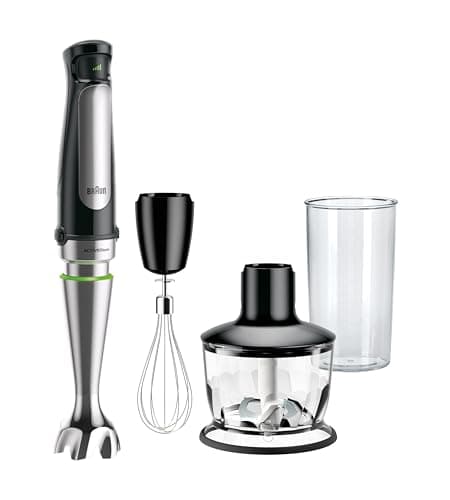
Roundup
The Best Immersion Blenders of 2026
Stick blenders ranked on immersion depth, anti-suction guard design, speed control and warranty.
Comparison
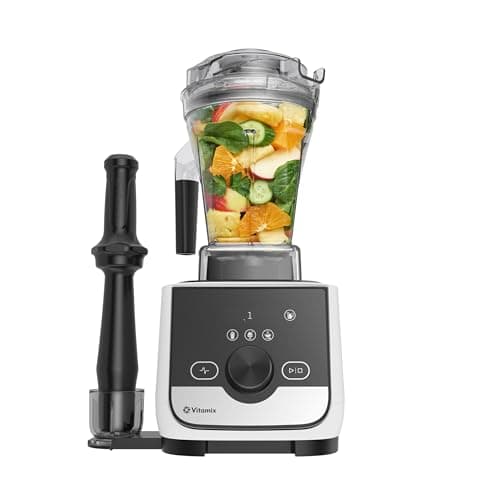
Vitamix Models Compared
The current Vitamix line decoded — jar size, published horsepower, real height, programs and warranty across five machines.
Roundup
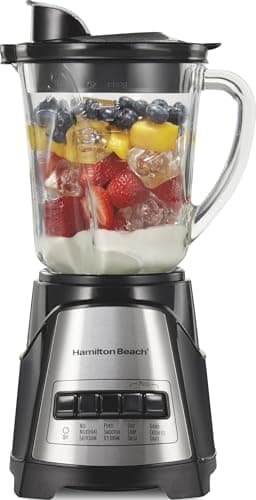
The Best Non-Toxic Blenders of 2026
Ranked on published jar material: the one glass jar we stock, then the blenders that state in writing that their plastic is BPA-free.
Guide
Are Plastic Blender Jars Safe?
Polycarbonate vs. Tritan copolyester, the FDA's published BPA position, why hot soup is the case that matters, and which jars carry a written claim.
Guide
How Long Do Blenders Last?
The published warranty table for every blender we track, what actually fails first, and which parts you can replace instead of the machine.
Comparison
Ninja vs. NutriBullet
Pitcher vs. cup, 72 oz vs. 32 oz, and the published max-liquid figures — why wattage is the wrong way to compare these two brands.
Comparison
Immersion Blender vs. Blender
Shaft inches vs. max-liquid ounces, suction vs. vortex, and the 20-inch countertop blender that will not fit under your cabinet.
Guide
What Size Blender Do I Need?
The published capacity ladder from an 18-ounce cup to a 72-ounce pitcher, why max liquid is the real figure, and the height nobody checks.
Roundup
The Best Blenders for Nut Butter
Nut butter is a low-liquid blend that cavitates around the blade. The machines that can finish it, ranked on tamper, container size and motor cover.
Roundup
The Best Blenders for Protein Shakes
Why protein powder clumps, the blenders built to circulate rather than just spin fast, and the case for not buying one at all.
Frequently asked questions
What is the best blender for most people?
The Vitamix 5200 is our overall pick: a 64-ounce jar, a 2-HP motor, self-cleaning, and a 7-year warranty that make it last far longer than cheaper blenders. If it is more than you need, the Ninja Professional Plus BN701 handles daily smoothies for much less.
Is a Vitamix worth it over a cheaper blender?
If you blend fibrous greens, nut butters, or hot soup regularly, yes — the motor and blade produce a smoother texture and the 5-to-7-year warranty means it outlasts several budget blenders. If you only make occasional cold smoothies, a Ninja does the job for far less.
How much power does a blender really need?
More than the headline number suggests, because peak-watt figures are a marketing spike, not a rating you can compare across brands. Vitamix rates its motors in horsepower instead. For smoothies and ice, any full-size blender here is plenty; the difference shows up in longevity, not raw watts.
Do blenders use much electricity?
No. A blender runs for a minute or two per use, so even a 1,400-watt model costs under a penny per smoothie at the US average electricity rate. The bigger long-term cost is replacing a cheap blender that wears out, not the power it draws.
Sources
Keep reading
Small Kitchen
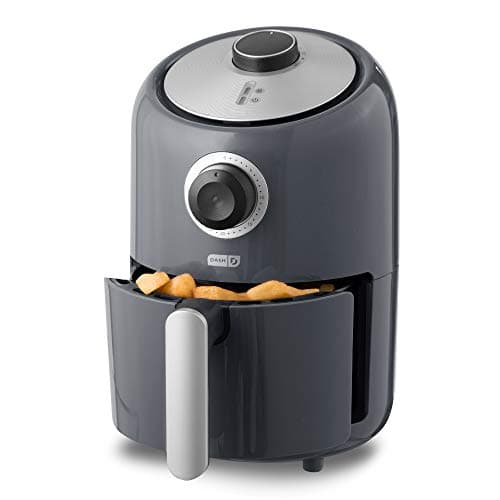
Best Appliances for Small Kitchens & Apartments
The most compact air fryer, blender, food processor and sous vide, chosen footprint-first for tight kitchens.
Food Processors
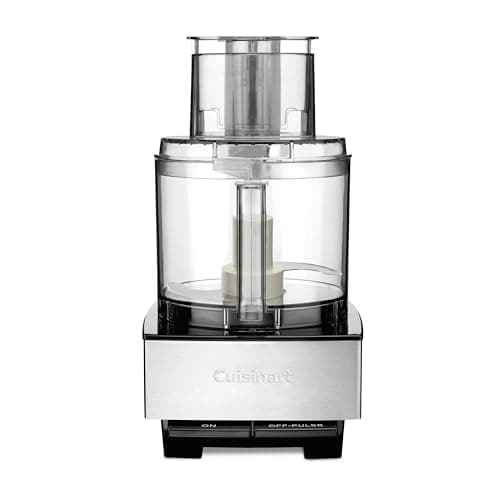
The Best Food Processors of 2026
Cuisinart 14-cup, KitchenAid 13-cup and a 3-cup mini compared on bowl size, power and discs.
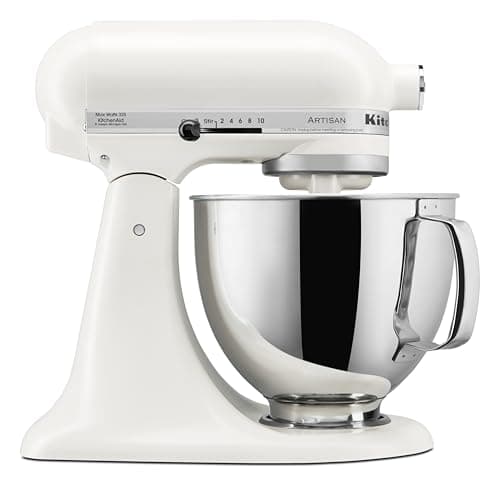
Stand Mixers
The Best Stand Mixers of 2026
KitchenAid Artisan, KitchenAid Classic and Cuisinart compared on bowl size, build and attachments.
https://wattandwhisk.com/blenders