The Best Food Processors of 2026
Compared on the specs that decide the prep — bowl size, motor wattage, the discs in the box, and how much counter it eats.
Disclosure:Watt & Whisk is reader-supported. When you buy through links on this page we may earn an Amazon Associates commission, at no extra cost to you. Prices are pulled live from Amazon and shown with the date checked. How this works.
For most kitchens the Cuisinart DFP-14BCNY (14-Cup) is the food processor to buy: a big bowl, a 720-watt motor, and a simple three-button interface that has been the test- kitchen benchmark for years. Want the machine to do more of the knife work? The KitchenAid 13-Cup adds an adjustable slicer and a dicing kit. Only chop small amounts? The 3-cup Cuisinart Mini-Prep Plus lives in a cabinet. Prices below are pulled live from Amazon.
The short answer
Quick picks
| # | Product | Best for | Score | Price |
|---|---|---|---|---|
| 01 | 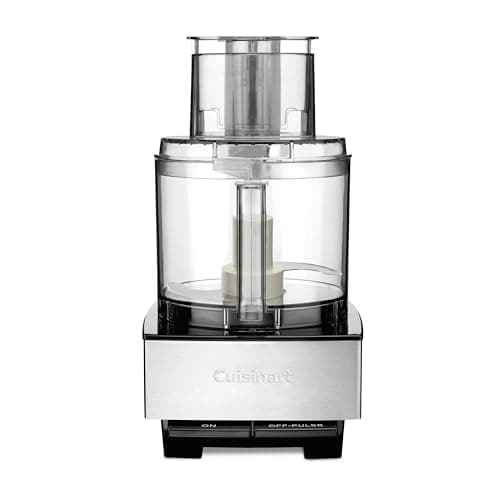 Cuisinart DFP-14BCNY (14-Cup) The 14-cup, 720-watt DFP-14 is the long-running benchmark: a big bowl, a strong motor, and a simple three-button interface that just works. It's the food processor most test kitchens keep on the counter. 14-Cup · 720W | Best overall food processor | 4.6★★★★★ | $229.95Amazon |
| 02 | 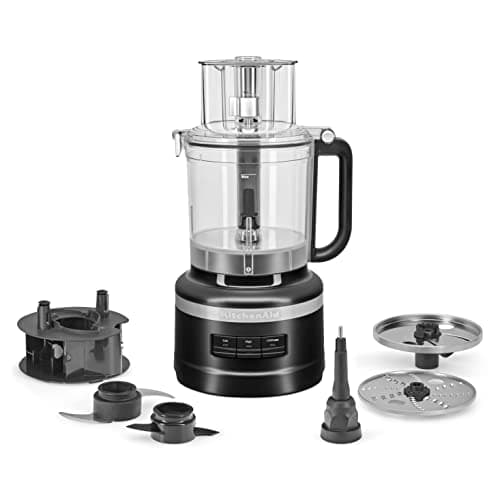 KitchenAid 13-Cup KitchenAid's 13-cup adds an adjustable slicing disc and a dicing kit that most rivals leave out, plus a 3-in-1 feed tube. If you want the machine to do more of the knife work, this is the pick. 13 Cup | Best for dicing | 4.3★★★★★ | Check price → |
| 03 | 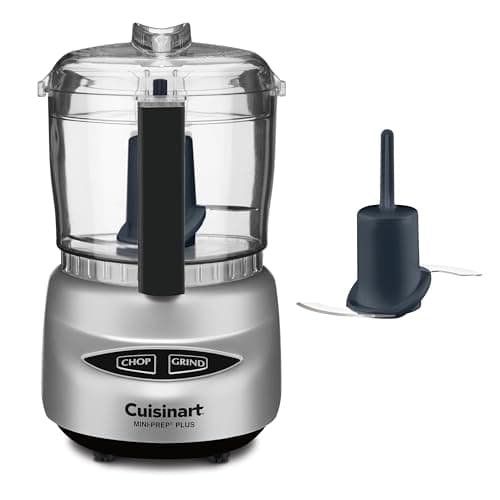 Cuisinart Mini-Prep Plus A 3-cup, 250-watt chopper that lives in a cabinet and comes out for pesto, dressings, nuts, and a single onion. For small kitchens that don't need a 14-cup monster, it does 80% of the jobs at a fraction of the size. 3 Cup · 250W | Best mini / small kitchen | 4.1★★★★★ | $29.29Amazon |
#ad · Live prices from the Amazon Product API, as of October 17, 2026. Where we have no verified live price, we show none — a gap beats a number that has rotted.
The picks, in detail
Cuisinart DFP-14BCNY (14-Cup)
spec score /5
$299.9523% off
Price as of October 17, 2026. Prices change — Amazon's is the one that counts.
#ad · we may earn a commission from this link to Cuisinart DFP-14BCNY (14-Cup)
The 14-cup, 720-watt DFP-14 is the long-running benchmark: a big bowl, a strong motor, and a simple three-button interface that just works. It's the food processor most test kitchens keep on the counter.
- Capacity
- 14-Cup
- Footprint (W×D×H)
- 7.9 × 11 × 14.8 in
- Power
- 720 W
- Weight
- 18 lb
- Cost per use*
- ≈4¢
- Est. per year*
- ≈$8
- Warranty
- Warranty
- Big 14-cup bowl for batch prep
- 720 W handles dough and hard veg
- Simple, durable, long track record
- Large to store
- Only slicing/shredding + chopping blades included
- Feed tube pusher can be fiddly
*Cost-to-run computed from the manufacturer's stated 720W at $0.17/kWh (US average), 20-min sessions, 4×/week. Your rate and use will vary.
KitchenAid 13-Cup
spec score /5
No buyable offer at the last price check (October 17, 2026). We show nothing rather than a stale number.
#ad · we may earn a commission from this link to KitchenAid 13-Cup
KitchenAid's 13-cup adds an adjustable slicing disc and a dicing kit that most rivals leave out, plus a 3-in-1 feed tube. If you want the machine to do more of the knife work, this is the pick.
- Capacity
- 13 Cup
- Footprint (W×D×H)
- 10.25 × 8.7 × 17.43 in
- Weight
- 9.7 lb
- Warranty
- 1 Year
- Dicing kit and adjustable slicer included
- 3-in-1 feed tube
- Big 13-cup work bowl
- More parts to wash and store
- Pricier than a basic model
- Dicing kit takes practice
Cuisinart Mini-Prep Plus
spec score /5
$39.9527% off
Price as of October 17, 2026. Prices change — Amazon's is the one that counts.
#ad · we may earn a commission from this link to Cuisinart Mini-Prep Plus
A 3-cup, 250-watt chopper that lives in a cabinet and comes out for pesto, dressings, nuts, and a single onion. For small kitchens that don't need a 14-cup monster, it does 80% of the jobs at a fraction of the size.
- Capacity
- 3 Cup
- Footprint (W×D×H)
- 7 × 5 × 9.25 in
- Power
- 250 W
- Weight
- 2.2 lb
- Cost per use*
- ≈1¢
- Est. per year*
- ≈$3
- Warranty
- 18 months
- Tiny — stores in a cabinet
- Perfect for herbs, nuts, dressings
- Very inexpensive
- 3 cups is small
- Chop/grind only — no slicing disc
- Not for big batches
*Cost-to-run computed from the manufacturer's stated 250W at $0.17/kWh (US average), 20-min sessions, 4×/week. Your rate and use will vary.
How the food-processor category divides
A food processor is really two tools in one housing: a bowl-and-blade for chopping, pureeing, and kneading, and a set of discs for slicing and shredding. The category splits by bowl size and by how many of those discs come in the box — and, honestly, by how much counter and cabinet you're willing to give it.
Full-size workhorses
The Cuisinart DFP-14is the long-running default: a 14-cup bowl, a 720-watt motor strong enough for dough and hard vegetables, and on/off/pulse controls that just work. It ships with a 4mm slicing disc, a medium shredding disc, and a chopping blade, and it's backed by a 3-year unit and 5-year motor warranty. The KitchenAid 13-Cup trades a hair of bowl size for versatility: an externally adjustable slicing disc, a reversible shredding disc, a dough blade, a 3-in-1 feed tube, and an in-bowl storage caddy for the blades. If you want the processor to slice thick-to-thin and dice without a knife, the KitchenAid is the pick; the trade-off is more parts to wash and store.
Cuisinart alone sells five machines you can buy today, from 3 cups to 14, and the model names — Custom, Pro Custom, Elemental, Chop & Shred, Mini-Prep — do not tell you which motor you are getting. Cuisinart food processors compared puts the whole line in one table and shows where the real break is: the 11-cup runs a 625-watt motor against the 8-cup's 350, while sitting on the same footprint as the 14-cup.
The mini
The Cuisinart Mini-Prep Plusis a 3-cup, 250-watt chopper with a reversible blade that lives in a cabinet and comes out for pesto, dressings, nuts, and a single onion. It does perhaps 80% of everyday jobs at a fraction of the size — but it has no slicing or shredding disc and won't handle a big batch. In a small kitchen it's often the smarter buy than a 14-cup machine you have to store on the floor.
What actually decides the price
Bowl size, motor strength, and the discs in the box. A bigger bowl and a stronger motor cost more and take more space; extra discs (adjustable slicing, dicing) add versatility and parts to clean. Note the honest spec gap: Cuisinart states a 720-watt motor on the DFP-14, while KitchenAid doesn't publish a wattage on the 13-cup listing — so we compare on capacity, included tooling, and build rather than a watt number that isn't there. See how we weigh that on our review method.
What a food processor costs to run
Next to nothing. A processor runs in bursts of seconds to a minute or two, so even the 720-watt Cuisinart costs a fraction of a cent per session at the US average electricity rate (source below). The real cost is space and cleanup — a 14-cup machine and its discs take room to store and a few minutes to wash — which is exactly why the mini exists. It's worth being honest that the cleanup can be the thing that decides whether you reach for the machine at all: a full-size processor means a bowl, a lid, a blade, and any disc you used, each needing a rinse. For a single onion or a handful of herbs, the 3-cup mini is faster to use and faster to clean, and that convenience is why so many cooks end up owning both sizes.
The mistake buyers make
Buying the biggest bowl on offer and then leaving it in a cupboard because it's a chore to haul out. A processor only earns its keep if it's easy to reach. Match the size to how you actually cook: batch prep and dough want the full 13-to-14-cup machine; herbs, dressings, and small chops are happier in the mini. Buying too big is the most common regret here.
Who should buy what
Batch cooks, dough makers, and anyone who slices and shreds a lot: the Cuisinart DFP-14. Cooks who want the machine to dice and slice thick-to-thin without knife work: the KitchenAid 13-Cup. Small kitchens and light choppers: the Cuisinart Mini-Prep Plus. If counter space is the whole problem, our small-kitchen guide is footprint-first, and for smoothies and purees a blenderdoes jobs a processor can't.
Go deeper
The head-to-head most people arrive here for is Cuisinart vs. KitchenAid, which comes down to whether you want the stronger motor and the simpler controls or the adjustable slicer, dicing kit and 3-in-1 feed tube. For smaller kitchens and smaller jobs, best mini food processors covers the 3-to-3.5-cup class that does about eighty percent of what people actually use a processor for — and stores in a cabinet.
On a budget, best budget food processors names the three places cheap machines genuinely fall short so you can decide whether any of them apply to you. And if you are still not sure this is the machine you need, blender vs. food processor settles it by job — or, if the real goal is dough, are stand mixers worth it covers what a processor cannot do. Both of the brands on this page also make stand mixers, and they do not line up the same way there — we set that out in KitchenAid vs. Cuisinart, where Cuisinart wins more spec categories than its reputation suggests.
Two capability questions the cup counts hide. Best food processors for dough is the important one: only three machines we track ship a dough blade, and a processor without one cannot knead properly no matter what its motor is rated at. And if you are not sure you need a full-size machine at all, food processor vs. chopper draws the real line — discs and a feed tube, which no chopper has at any size. The other big cross-shop is a stand mixer, settled in stand mixer vs. food processor.
One more angle worth knowing about this category: a food processor has no coating anywhere in the food path, so the only material question it raises is the work bowl. best non-toxic food processors ranks the five machines here whose listings actually print a BPA-free statement, and names the brands that print nothing.
And the disc questions are now split by job, because they are decided by different parts. Best food processors for slicing vegetables ranks the field on the slicing disc in the box, the one thickness it cuts (4mm on both big Cuisinarts, and their listing states the discs do not adjust) and whether a potato fits down the tube whole, while best food processors for shredding cheese does the same for the shredding side.
Two newer guides sit at either end of the decision. If you have already settled on a big bowl, best large food processors ranks the 9-to-14-cup field on motor warranty and build weight rather than the cup figure. If you are still choosing a maker, food processor brands compared sets all five against each other on the only three things they publish.
More food processors guides
Comparison
Cuisinart vs. KitchenAid: Which Food Processor Wins?
Cuisinart vs KitchenAid food processors on bowl size, motor, included discs, dicing and footprint — and who each suits.
Roundup
The Best Mini Food Processors
Four mini choppers ranked on bowl size, footprint, warranty and capability — plus what a mini genuinely cannot do.
Roundup
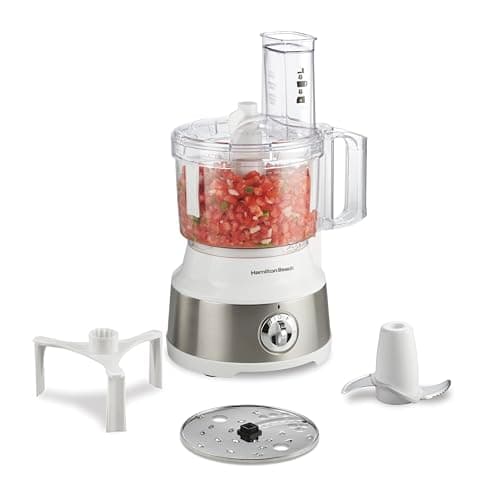
The Best Budget Food Processors
Five budget processors ranked on bowl size, motor, discs and warranty — and the three jobs where cheap machines genuinely fall short.
Review
Cuisinart DFP-14 Review
The Cuisinart DFP-14 on its 720 W motor, 14-cup bowl, warranty split and the discs it deliberately does not adjust.
Review
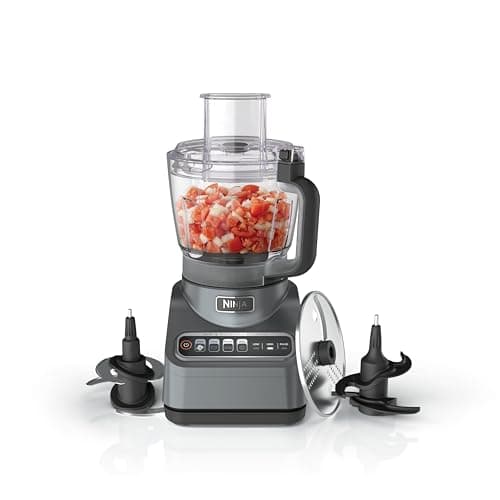
Ninja Professional Plus BN601 Review
The Ninja BN601 on its 1,000-peak-watt motor, 9-cup bowl, Auto-iQ presets and the included dough blade.
Guide
How to Clean a Food Processor
The 60-second routine, safe blade handling, the parts people forget, and the habits that make a processor last.
Guide
What Size Food Processor Do I Need?
3 to 14 cups mapped to real jobs, why minis can't slice, and the footprint and weight each size costs.
Comparison
Cuisinart vs Ninja Food Processor
Cuisinart DFP-14 vs Ninja BN601 on capacity, motor rating, discs, presets, footprint and weight.
Guide
Are Food Processors Worth It?
What a food processor does that nothing else can, the real cleaning cost, and who genuinely should not buy one.
Comparison
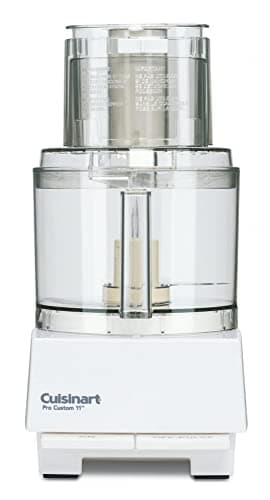
Cuisinart Food Processors Compared
The current Cuisinart line decoded — 14, 11, 8, 5 and 3 cups compared on motor, footprint, discs and warranty.
Roundup
The Best Food Processors for Dough
Pizza, bread and pastry dough in a processor: which machines ship a dough blade, and how much flour each bowl really takes.
Comparison
Food Processor vs. Chopper
The feed tube and the discs are the real dividing line — plus which one fits in a cupboard and which one lives on the counter.
Roundup
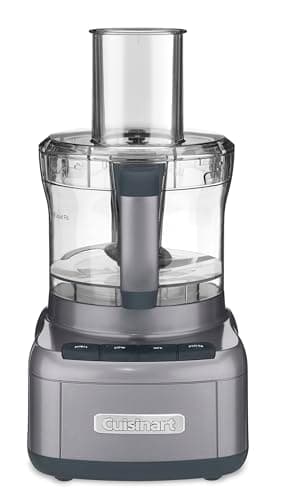
The Best Non-Toxic Food Processors
Ranked on published BPA-free statements for the work bowl, with the brands that print nothing named as printing nothing.
Roundup
Best Food Processors for Shredding Cheese
Shredding needs a disc, not a chopping blade. The machines that publish a shredding disc in the box, ranked, with the one honest exception.
Guide
How Long Do Food Processors Last?
Published warranty terms for every food processor we track, the part that actually ends most of them, and which failures are a spare rather than a new machine.
Roundup
The Best Food Processors for Slicing Vegetables
Which processors ship a slicing disc, what thickness it cuts, and which feed tubes take a vegetable whole. Four picks, with the honest limits of each.
Roundup
The Best Large Food Processors
The big-bowl food processors worth buying, ranked on motor warranty and build weight rather than the cup figure on the box.
Comparison
Food Processor Brands Compared
Cuisinart vs KitchenAid vs Ninja vs Hamilton Beach vs BLACK+DECKER, judged on motor warranty, watt measurement and disc adjustability.
Frequently asked questions
What is the best food processor for most people?
The Cuisinart DFP-14BCNY (14-Cup) is our overall pick: a big bowl, a 720-watt motor that handles dough and hard vegetables, and simple on/off/pulse controls with a long track record. For more built-in slicing and dicing tools, the KitchenAid 13-Cup is the versatile alternative.
What size food processor do I need?
For batch prep, dough, and regular slicing and shredding, a 13-to-14-cup full-size machine is worth the space. If you mostly chop herbs, make dressings, or process small amounts, a 3-cup mini like the Cuisinart Mini-Prep Plus does the job and stores in a cabinet.
Cuisinart 14-cup or KitchenAid 13-cup?
The Cuisinart DFP-14 is the simpler, proven workhorse with a stated 720-watt motor. The KitchenAid 13-cup adds an adjustable slicing disc, a dicing kit, and a 3-in-1 feed tube, so it does more of the knife work — at the cost of more parts to wash and store.
Can a food processor replace a blender?
Not entirely. A processor excels at chopping, slicing, shredding, and kneading, but it doesn't make smooth smoothies or crush ice the way a blender does. Many kitchens keep both; if you can only buy one, match it to whether you prep more or blend more.
Sources
Keep reading
Blenders
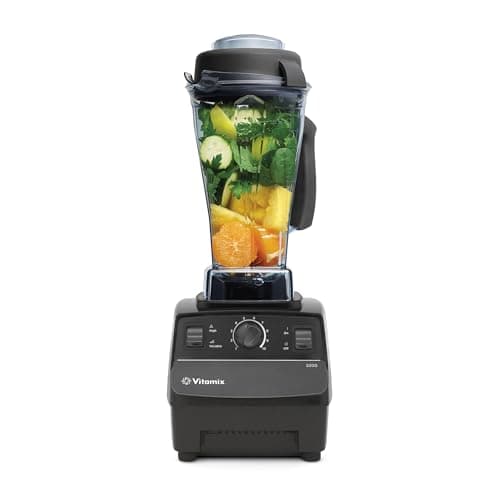
The Best Blenders of 2026
Vitamix, Ninja and personal blenders compared on motor class, jar size, footprint and cleanup.
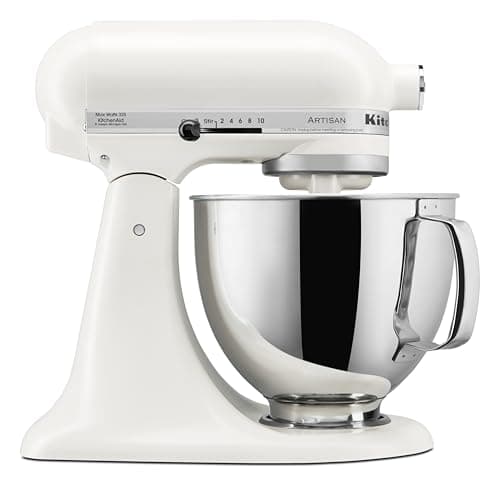
Stand Mixers
The Best Stand Mixers of 2026
KitchenAid Artisan, KitchenAid Classic and Cuisinart compared on bowl size, build and attachments.
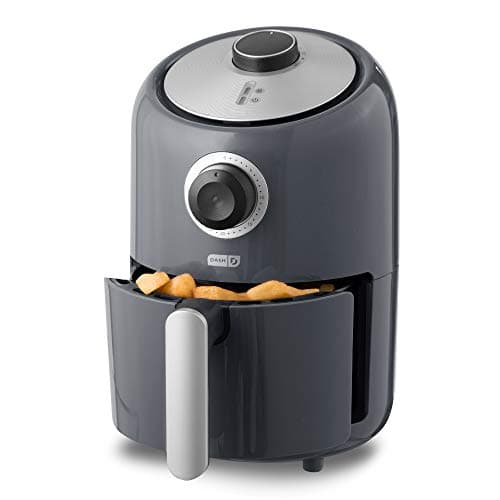
Small Kitchen
Best Appliances for Small Kitchens & Apartments
The most compact air fryer, blender, food processor and sous vide, chosen footprint-first for tight kitchens.
https://wattandwhisk.com/food-processors