The Best Sous Vide Machines of 2026
Compared on the specs that decide a cook — heating wattage, temperature control, the app, and what a multi-hour bath costs to run.
Disclosure:Watt & Whisk is reader-supported. When you buy through links on this page we may earn an Amazon Associates commission, at no extra cost to you. Prices are pulled live from Amazon and shown with the date checked. How this works.
For most cooks the Anova Precision Cooker is the sous vide machine to buy: a 1,100-watt immersion circulator with a clip, a clear display, and a mature app that clamps to any pot and holds temperature tightly. If you just want to try the technique without spending much, the Inkbird ISV is a slim, Wi-Fi budget wand that does the same core job for less. Prices below are pulled live from Amazon.
The short answer
Quick picks
| # | Product | Best for | Score | Price |
|---|---|---|---|---|
| 01 | 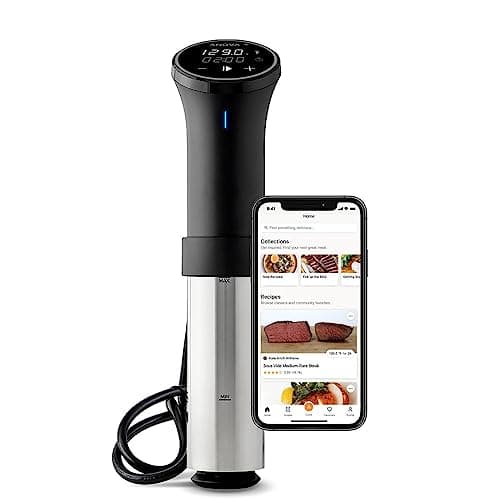 Anova Precision Cooker Anova's Precision Cooker is the category default: a 1,100-watt immersion circulator with a clip, a clear display, and a mature app. It clamps to any pot and holds temperature tightly, which is the entire job. 1100 watts · 1100W | Best overall sous vide | 4.4★★★★★ | $169.99Amazon |
| 02 | 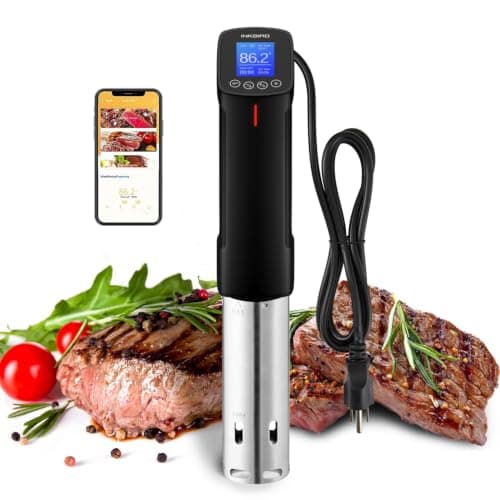 Inkbird ISV-100W The Inkbird undercuts the name brands while still giving you Wi-Fi and tight temperature control in a slim wand. It's the low-risk way to find out whether sous vide earns a place in your kitchen. 1 WIFI Sous Vide Machine · 100W | Best budget sous vide | 4.0★★★★★ | $95.99Amazon |
#ad · Live prices from the Amazon Product API, as of October 16, 2026. Where we have no verified live price, we show none — a gap beats a number that has rotted.
The picks, in detail
Anova Precision Cooker
spec score /5
$229.0026% off
Price as of October 16, 2026. Prices change — Amazon's is the one that counts.
#ad · we may earn a commission from this link to Anova Precision Cooker
Anova's Precision Cooker is the category default: a 1,100-watt immersion circulator with a clip, a clear display, and a mature app. It clamps to any pot and holds temperature tightly, which is the entire job.
- Capacity
- 1100 watts
- Footprint (W×D×H)
- 3.07 × 12.79 × 5.51 in
- Power
- 1100 W
- Weight
- 1.92 lb
- Cost per use*
- ≈6¢
- Est. per year*
- ≈$13
- Warranty
- 2 year manufacturer
- Holds temperature precisely
- 1,100 W heats water quickly
- Mature, reliable app
- Needs a container and a bag/clip
- App-dependent for some features
- Not silent
*Cost-to-run computed from the manufacturer's stated 1100W at $0.17/kWh (US average), 20-min sessions, 4×/week. Your rate and use will vary.
Inkbird ISV-100W
spec score /5
Price as of October 16, 2026. Prices change — Amazon's is the one that counts.
#ad · we may earn a commission from this link to Inkbird ISV-100W
The Inkbird undercuts the name brands while still giving you Wi-Fi and tight temperature control in a slim wand. It's the low-risk way to find out whether sous vide earns a place in your kitchen.
- Capacity
- 1 WIFI Sous Vide Machine
- Footprint (W×D×H)
- 2.362204722 × 2.362204722 × 16.141732267 in
- Power
- 100 W
- Cost per use*
- ≈1¢
- Est. per year*
- ≈$1
- Warranty
- 365
- Much cheaper than premium wands
- Wi-Fi with a usable app
- Slim, easy to store
- Slower to heat large pots
- Less polished app
- Shorter brand track record
*Cost-to-run computed from the manufacturer's stated 100W at $0.17/kWh (US average), 20-min sessions, 4×/week. Your rate and use will vary.
What a sous vide machine actually is
Both picks here are immersion circulators— a wand you clip to the side of any pot deep enough to hold water. It heats and circulates the bath to a precise temperature so food in a sealed bag cooks edge-to-edge to exactly the doneness you set, with almost no risk of overcooking. There's no built-in tub to store; the whole appliance is a slim stick that lives in a drawer, which is a real advantage in a small kitchen.
Precision is the whole job
A circulator has one task — hold a target temperature without drifting — and both do it well. The Anova Precision Cooker pairs a 1,100-watt heater with a two-line touch display and dual-band Wi-Fi, backed by a 2-year warranty and a long, mature app. The Inkbird ISV undercuts it while still offering Wi-Fi, a calibration function, and tight control in a slimmer wand. The gap is polish and heat-up speed, not whether your steak comes out right.
Wattage decides heat-up speed
Higher wattage brings a big pot of water up to temperature faster, and Anova's stated 1,100 watts is a step ahead here. Once the bath is hot, though, the circulator only cycles on and off to hold it, so wattage matters most in the first 10 to 20 minutes. The single biggest thing you can do to speed either machine — and cut its running cost — is to cover the pot with a lid or foil so heat doesn't escape.
What a sous vide cook costs to run
This is the one small appliance where running time genuinely matters, because a bath can run for one to several hours. A 1,100-watt circulator draws its full power only while heating the water; after that it cycles to maintain temperature, so the actual draw over a long cook is a fraction of the nameplate. At the US average electricity rate (source below), a covered pot on a two-hour cook lands in the neighborhood of a quarter's worth of electricity — more if the pot is uncovered, less for a short cook. It is not the power hog the hours might suggest, but a lid pays for itself.
The mistake buyers make
Thinking the circulator is the whole kit. It isn't: you also need a pot deep enough to meet the wand's minimum water line, a way to seal food (zip bags and the water- displacement trick work fine to start), and ideally a lid to cut evaporation. Budget for a quick sear after the bath, too — sous vide cooks food through but won't brown it. The other misread is expecting sous vide to be fast: it trades speed for a hands-off, foolproof result, so a steak that takes minutes on a grill may sit in the bath for an hour or more. That's a feature for meal-prep and set-and-forget cooking, and a mismatch if you want dinner on the table in fifteen minutes — for that, an air fryer is the better tool.
Who should buy what
Cook sous vide regularly, or want the most reliable app and the fastest heat-up: the Anova Precision Cooker. Curious but not ready to commit, or want the lowest-risk way in: the Inkbird ISV. Whichever you pick, remember it's only half the setup — pair it with a deep pot, a way to seal food, and a lid, and the results are the same restaurant-even doneness either machine is built to deliver. Either way the appliance stores in a drawer, which makes sous vide one of the most space-friendly ways to cook — see our small-kitchen guide for other footprint-first picks, and if you want fast crisping instead of slow precision, compare an air fryer.
Go deeper
New to the technique? What is sous vide explains the mechanism in plain terms and walks through a first cook step by step — it is far simpler than the vocabulary suggests. If you are weighing whether it fits how you actually eat, is sous vide worth it makes the case both ways and names the three kinds of cook who should skip it entirely.
Ready to buy? Best budget sous vide machines is the right starting point for most people, because the water does the cooking and a cheap circulator holds temperature as well as an expensive one. If you want the flagship, Anova vs. Joule settles the only question that really matters between them — whether you want to cook without your phone. At the value end, Anova vs. Inkbird is the head-to-head most buyers actually run, and it is the only one where a maker publishes a temperature-tolerance figure.
Two questions come up constantly and each has its own page. Is sous vide safe separates the three things people mean by that — pasteurization at low temperatures, cooking in plastic, and leaving a bath running overnight — and answers each with what the regulators and the makers actually publish. And if the machine you already own is a multicooker, sous vide vs. Instant Pot explains why a still pot heated from the base is not the same thing as a circulator, and why you should read the function list rather than trusting the brand.
The other purchase in this hub is the bag side of it, and the order matters. Do you need a vacuum sealer answers that honestly first — for most people zip-top bags and the water-displacement method are enough. Once you have decided you do want one, best vacuum sealers ranks five machines on the things that actually separate them: whether the machine drops its suction for liquid, how wide a bag it takes, what a roll works out to per bag, and which maker will put a warranty term in writing.
Two questions come up before anyone buys. Whether you need special equipment beyond the cooker — do you need a sous vide container says no, and names the three specs that decide whether the pot you own will work. And whether the whole method beats the free alternative: sous vide vs reverse sear is honest about where an oven wins.
More sous vide guides
Comparison
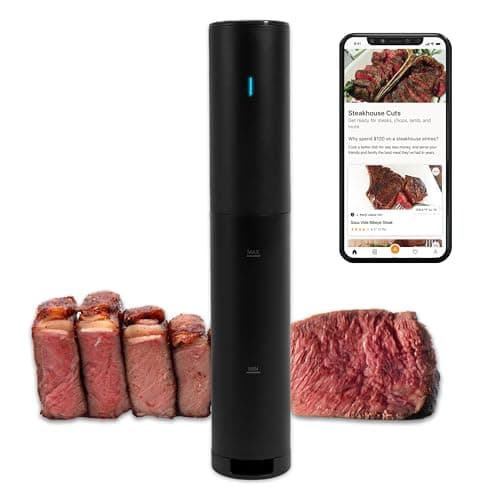
Anova vs. Joule: Which Sous Vide Circulator Should You Buy?
Anova vs Breville Joule on standalone control, size, speed, app dependence and warranty — and who each one suits.
Roundup
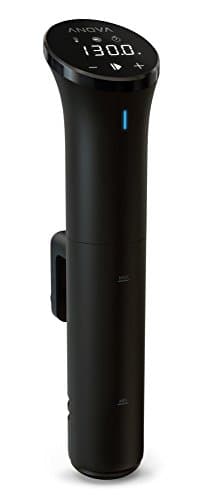
The Best Budget Sous Vide Machines
Four budget circulators ranked on power, app access, size and warranty — and the three things extra money actually buys.
Guide
What Is Sous Vide?
How sous vide works, what you need to start, the temperatures that matter, and what the technique genuinely cannot do.
Guide
Is Sous Vide Worth It?
What sous vide genuinely transforms, what it does not, and the three types of cook who should skip it.
Review
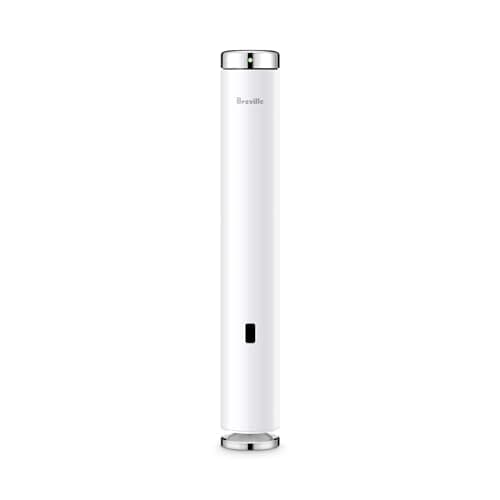
Anova Precision Cooker 3.0 Review
The Anova Precision Cooker 3.0 on power, on-unit control, the clamp, Wi-Fi and what the optional subscription covers.
Review
Breville Joule Turbo Review
The Joule Turbo on Turbo mode, Visual Doneness, Prime Time, its 1.65-inch body and the app-dependence trade-off.
Guide
Sous Vide Times and Temperatures Explained
Why temperature sets doneness and time sets texture, how thickness drives timing, and where to get safe pasteurization tables.
Guide
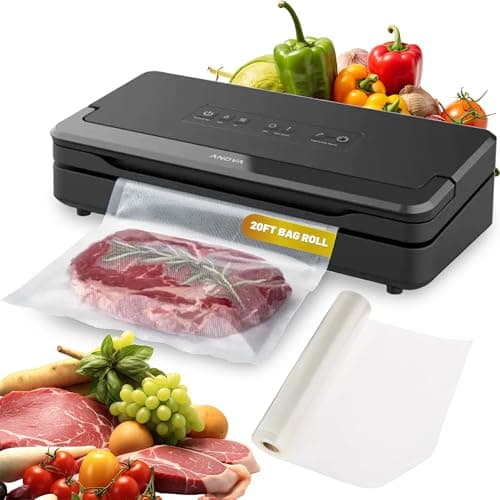
Do You Need a Vacuum Sealer for Sous Vide?
Why zip-top bags work for most sous vide, the water displacement method, and the four cases where a sealer earns its money.
Roundup
The Best Vacuum Sealers of 2026
Five vacuum sealers compared on wet-mode suction, bag width, roll storage and cost per bag, and the warranty each maker will put in writing.
Comparison
Anova vs Inkbird: Which Sous Vide Circulator?
Anova Precision Cooker 3.0 vs Inkbird ISV-100W on power, range, accuracy, app and warranty.
Comparison
Sous Vide vs Slow Cooker
Where sous vide and slow cooking genuinely differ — temperature control, texture, cuts, cost and counter space.
Guide
What Does Sous Vide Actually Cost to Run?
Worked electricity math for 2, 8 and 48-hour sous vide cooks, and the two habits that cut it most.
Comparison
Sous Vide vs. Instant Pot
Whether a multicooker can genuinely sous vide, what circulation buys you, and which machine to own if you only have room for one.
Guide
Is Sous Vide Safe?
Bacteria, bags and unattended cooking: what is settled, what the FDA actually says, and what to buy if plastic is your worry.
Guide
Do You Need a Special Sous Vide Container?
Why a stockpot you already own is usually the right sous vide vessel, and the clamp, height and depth specs that decide whether yours will work.
Comparison
Sous Vide vs Reverse Sear
Reverse sear vs sous vide on the four things that actually differ: tolerance, overcooking risk, surface dryness and what it costs to run.
Frequently asked questions
What is the best sous vide machine for most people?
The Anova Precision Cooker is our overall pick: a 1,100-watt immersion circulator that clips to any pot, holds temperature precisely, and pairs with a mature app. For a lower-cost entry, the Inkbird ISV offers Wi-Fi and tight control in a slimmer, budget wand.
Does a sous vide machine use a lot of electricity?
Less than the long cook times suggest. The circulator draws its full wattage only while heating the water, then cycles on and off to hold temperature. A covered two-hour cook costs roughly a quarter's worth of electricity at the US average rate — and a lid on the pot cuts that further.
What else do I need besides the circulator?
A pot deep enough to meet the wand's minimum water line, a way to seal food (zip-top bags with the water-displacement method work to start), and ideally a lid or foil to reduce evaporation. Plan to sear the food quickly after the bath, since sous vide cooks through but does not brown.
Is the cheaper Inkbird good enough?
For learning the technique, yes. The Inkbird ISV holds temperature tightly and includes Wi-Fi and a calibration function. Compared with the Anova, it heats large pots more slowly and has a less polished app, but the core result — evenly cooked, edge-to-edge food — is the same.
Sources
Keep reading
Air Fryers
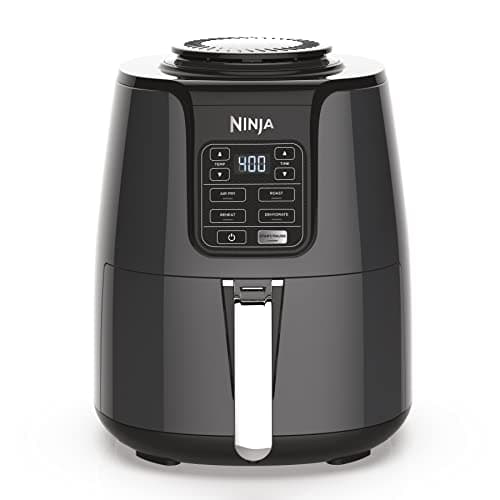
The Best Air Fryers of 2026
Our ranked air-fryer picks, compared on capacity, footprint, materials and running cost — with live Amazon prices.
Small Kitchen
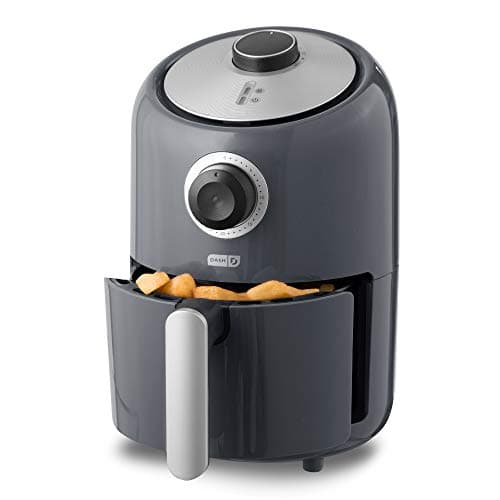
Best Appliances for Small Kitchens & Apartments
The most compact air fryer, blender, food processor and sous vide, chosen footprint-first for tight kitchens.
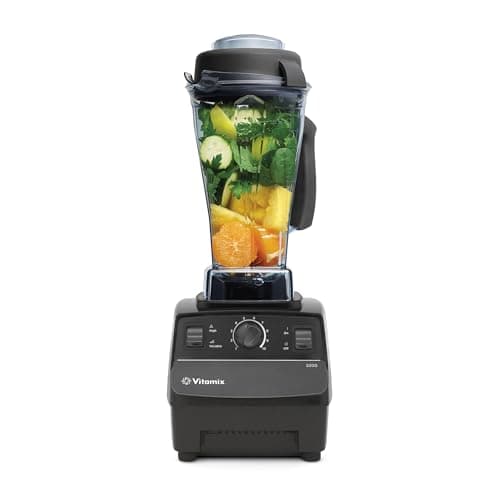
Blenders
The Best Blenders of 2026
Vitamix, Ninja and personal blenders compared on motor class, jar size, footprint and cleanup.
https://wattandwhisk.com/sous-vide