How to Clean a Food Processor
Sixty seconds if you do it immediately, and a genuinely sharp object to handle carefully. Plus the three parts almost everyone misses.
Disclosure:Watt & Whisk is reader-supported. When you buy through links on this page we may earn an Amazon Associates commission, at no extra cost to you. Prices are pulled live from Amazon and shown with the date checked. How this works.
Rinse everything immediately — dried food processor residue is far harder to remove than blender residue. For a quick clean, add warm water and a drop of soap to the assembled bowl and pulse a few times, then rinse. Wash the blade by its plastic hub, never the edge, and never leave it in a sink of water where you cannot see it. The three parts people forget: the lid's underside, the feed tube pusher, and under the bowl's center spindle.
The short answer
Quick picks
| # | Product | Best for | Score | Price |
|---|---|---|---|---|
| 01 | 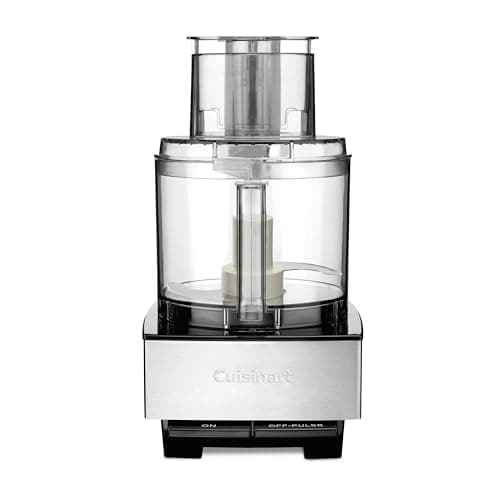 Cuisinart DFP-14BCNY (14-Cup) The 14-cup, 720-watt DFP-14 is the long-running benchmark: a big bowl, a strong motor, and a simple three-button interface that just works. It's the food processor most test kitchens keep on the counter. 14-Cup · 720W | Best overall food processor | 4.6★★★★★ | $229.95Amazon |
| 02 | 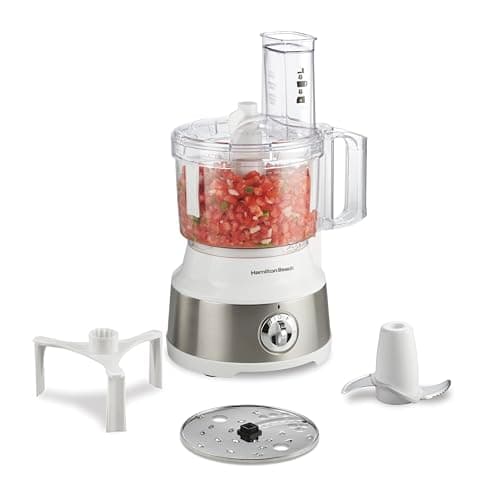 Hamilton Beach 10-Cup A 450-watt, 10-cup processor with the one feature nobody else at this price bothers with: a built-in bowl scraper you sweep side to side without stopping the machine or reaching for a spatula. Two speeds, pulse, suction feet, everything dishwasher-safe. 10 Cup · 450W | Best budget full-size | 4.1★★★★★ | $69.95Amazon |
#ad · Live prices from the Amazon Product API, as of October 17, 2026. Where we have no verified live price, we show none — a gap beats a number that has rotted.
The picks, in detail
Cuisinart DFP-14BCNY (14-Cup)
spec score /5
$299.9523% off
Price as of October 17, 2026. Prices change — Amazon's is the one that counts.
#ad · we may earn a commission from this link to Cuisinart DFP-14BCNY (14-Cup)
The 14-cup, 720-watt DFP-14 is the long-running benchmark: a big bowl, a strong motor, and a simple three-button interface that just works. It's the food processor most test kitchens keep on the counter.
- Capacity
- 14-Cup
- Footprint (W×D×H)
- 7.9 × 11 × 14.8 in
- Power
- 720 W
- Weight
- 18 lb
- Cost per use*
- ≈4¢
- Est. per year*
- ≈$8
- Warranty
- Warranty
- Big 14-cup bowl for batch prep
- 720 W handles dough and hard veg
- Simple, durable, long track record
- Large to store
- Only slicing/shredding + chopping blades included
- Feed tube pusher can be fiddly
*Cost-to-run computed from the manufacturer's stated 720W at $0.17/kWh (US average), 20-min sessions, 4×/week. Your rate and use will vary.
Hamilton Beach 10-Cup
spec score /5
Price as of October 17, 2026. Prices change — Amazon's is the one that counts.
#ad · we may earn a commission from this link to Hamilton Beach 10-Cup
A 450-watt, 10-cup processor with the one feature nobody else at this price bothers with: a built-in bowl scraper you sweep side to side without stopping the machine or reaching for a spatula. Two speeds, pulse, suction feet, everything dishwasher-safe.
- Capacity
- 10 Cup
- Footprint (W×D×H)
- 10.25 × 8.43 × 15.47 in
- Power
- 450 W
- Weight
- 4.7 lb
- Cost per use*
- ≈3¢
- Est. per year*
- ≈$5
- Built-in bowl scraper — genuinely useful
- 10-cup bowl at a budget price
- Suction feet stop it walking on the counter
- 450 W is modest for stiff dough
- Two speeds only
- One-year limited warranty
*Cost-to-run computed from the manufacturer's stated 450W at $0.17/kWh (US average), 20-min sessions, 4×/week. Your rate and use will vary.
Food processors are the small appliance most likely to injure someone during cleaning, and the one most often abandoned because washing it feels like more work than the job it did. Both problems have the same solution: a routine that takes a minute and a couple of habits about how you handle the sharp parts.
Blade safety first, because this is the real risk
Unlike blender blades — which are blunt by design and pulverize by impact — food processor S-blades and discs are genuinely sharp. They are designed to slice, and they will slice you.
Three rules, and they are not optional.
Never put a blade or disc in a sink full of water. This is how almost every food processor injury happens — the blade disappears under suds and someone reaches in. Wash blades individually, immediately, and put them straight back in the drawer.
Handle the blade by its plastic hub, the central column, never by the metal edge. Every S-blade has one and it exists for this reason.
Remove the blade before emptying the bowl. Tipping a bowl out with the blade still in it is how the blade slides forward onto your hand — and how it ends up in the bin with the food scraps, which is more common than you would think. The exception is a mini chopper with a locking blade, like the KitchenAid 3.5-cup, which is designed to let you pour with the blade held in place.
The 60-second routine
Do this immediately after use, before the residue sets. Dried hummus and pastry are dramatically harder to shift than wet ones.
- Empty the bowl, having removed the blade first.
- Scrape the obvious residue into the bin with a spatula rather than rinsing it down the sink — processor residue is thick and blocks traps.
- Reassemble the bowl and lid, add warm water and a drop of dish soap, and pulse three or four times.This scrubs the bowl walls, the blade and the underside of the lid all at once, without your hands going near the blade. It is the processor equivalent of a blender's self-clean.
- Tip out, disassemble, rinse and dry. Wash the blade separately by its hub.
For most jobs — chopping, breadcrumbs, a quick salsa — that is the entire clean.
The three parts everyone forgets
The underside of the lid. Food is thrown upward and outward by the blade, so the lid collects a surprising amount, particularly in the molded ridges around the locking mechanism. Wipe it every time; a pastry brush or a washing-up brush gets into the ridges better than a cloth.
The feed tube pusher.It is a hollow plastic plunger and residue gets inside it, especially if it has an oil-drip hole in the base like the BLACK+DECKER chopper's. Rinse it through rather than just wiping the outside.
Around the bowl's center spindle. The tube in the middle of the bowl that the blade slots over traps food underneath, where it is invisible from above. Turn the bowl over, look up into it, and rinse it out.
Skipping these three is where smells come from — not from the bowl itself, which is the part everyone washes thoroughly.
Dried-on and stubborn residue
Pastry, dough and nut butter set hard. Do not attack them with an abrasive pad — you will scratch the bowl, and scratched plastic holds residue and smells far more readily.
Soak instead. Fill the bowl with warm water and a drop of soap and leave it fifteen minutes, then run the pulse-clean. Repeat rather than scrub. A tablespoon of bicarbonate of soda in the soak water helps with set protein and fat without scratching.
For discs, a washing-up brush with a narrow head worked from the underside pushes debris out through the cutting slots rather than dragging your fingers across the blade.
The dishwasher question
Most modern processors list all removable parts as dishwasher-safe and BPA-free — the Hamilton Beach 10-cup and Ninja BN601 both do — and blades and discs are generally fine on the top rack.
The part we would hand wash is the bowl. Dishwasher heat and alkaline detergent over time are what craze and cloud processor bowls, and the bowl is the component you cannot easily replace on a budget machine. Two minutes at the sink meaningfully extends its life.
Never in the dishwasher, or in water at all: the motor base. Wipe it with a damp cloth, and pay attention to the well around the drive coupling where food collects.
Cloudy and stained bowls
Two different problems. Cloudiness is usually dishwasher etching plus fine abrasion, and it is cosmetic and irreversible — hand washing prevents it but will not reverse it.
Staining — orange from carrots, tomato or turmeric — will lift. Make a paste of bicarbonate of soda and a little water, rub it on, leave ten minutes and rinse. For stubborn cases, leaving the bowl in direct sunlight for a few hours after cleaning genuinely fades carotenoid stains.
Wash in this order
A small thing that makes the job faster and safer, and almost nobody does it deliberately.
Blades and discs first, individually, while the sink is empty and you can see what you are holding. Then put them straight away rather than leaving them on a draining board where someone can reach into them.
Lid and pusher second, since they are the fiddly parts and you want the water still hot.
Bowl last, because it is the biggest item and it can soak while you do the rest. If anything is dried on, this is the piece that benefits from the fifteen-minute soak described above.
Doing it in this order means the sharp things are handled first, in clear water, and never end up submerged under the bowl — which is the specific scenario that causes injuries.
The habits that decide how long it lasts
Cleaning technique aside, four things determine whether a processor survives.
Do not use it as a blender. Running it continuously for two or three minutes chasing a smooth purée is the commonest way people kill a budget processor. These motors are rated for bursts. Genuinely smooth is a blender job.
Respect the max-fill line. Overfilling makes the motor work against a packed mass — exactly the sustained-torque condition these motors handle worst.
Quarter hard things first. Dropping a whole raw beetroot or a frozen block in is an impact load on the blade, the bowl and the drive coupling. The coupling — the plastic part connecting motor to blade — is the usual casualty, and it is often the cheapest part to replace, so it is worth knowing that is what failed.
Store the lid unlocked. Every processor has a lid interlock that stops the motor running with the lid off. Storing the machine assembled and locked keeps that switch under tension; resting the lid on rather than twisting it into place preserves it.
If it stops cutting well
Unlike blender blades, processor blades do dull, because they cut rather than pulverize. The symptoms are specific: herbs bruising and going dark instead of cutting cleanly, and a bowl with mush at the bottom and chunks at the top.
Blades are usually available as spare parts and cost far less than a new machine, so this is worth diagnosing correctly rather than replacing the appliance. The other explanation is simply loading — uneven pieces, an over- or under-filled bowl, or wet and dry ingredients processed together — which we cover in best mini food processors.
Persistent smells and what causes them
Garlic, onion and curry paste are the usual culprits, and they concentrate in three places: the gasket or seal around the bowl lid, the plastic of the bowl itself, and the underside of the pusher.
A bicarbonate paste rubbed on and left ten minutes lifts most of it. For plastic that has genuinely taken on a smell, a few hours in direct sunlight after washing works surprisingly well. Avoid bleach — it damages the plastic and the smell returns anyway.
The routine, summarized
Every use: remove the blade before emptying, scrape, pulse-clean with warm soapy water, wash the blade by its hub, wipe the lid underside, rinse the pusher and the bowl spindle, dry.
Monthly: wipe the motor base and the drive coupling well, and check the bowl for cracks around the spindle.
Never: blades in a full sink, the motor base in water, abrasive pads on the bowl, or the machine stored with the lid locked down.
Done consistently, a processor is one of the longest-lived appliances in a kitchen — which is what makes the 5-year motor warranty on the Cuisinart DFP-14 worth something, and why the budget machines in our budget guide can be a perfectly sensible buy.
A note on the bowl while you have it apart: cloudiness is detergent etching and is cosmetic, but a crack is a reason to replace the part rather than keep using it. Which machines publish a BPA-free statement for that bowl, and which say nothing, is in best non-toxic food processors.
Cleaning is also the main thing that decides how long the machine survives, and not for the reason most people assume: dishwasher detergent is alkaline and abrasive by design, so it crazes clear bowls and embrittles the thin interlock tabs that end most processors. What actually fails, in order, and the published warranty terms for every machine we track, are in how long do food processors last.
Frequently asked questions
How do you clean a food processor quickly?
Remove the blade, empty and scrape the bowl, then reassemble it, add warm water and a drop of dish soap, and pulse three or four times. That scrubs the bowl, blade and lid underside at once without your hands going near the blade. Rinse, disassemble and dry.
How do you safely wash a food processor blade?
Hold it by the central plastic hub, never the metal edge, and wash it individually and immediately. Never put a blade or disc into a sink full of water — it disappears under the suds and that is how almost every food processor injury happens.
Can a food processor go in the dishwasher?
Most modern machines list all removable parts as dishwasher-safe, and blades and discs are generally fine on the top rack. We would hand wash the bowl, because dishwasher heat and detergent are what craze and cloud it over time — and the bowl is the hardest part to replace.
Why does my food processor smell?
Usually one of the three parts people miss: the molded ridges on the underside of the lid, the inside of the hollow feed tube pusher, or the area under the bowl's center spindle where food is trapped out of sight. The bowl itself is normally the best-washed part.
How do you get stains out of a food processor bowl?
For orange carrot, tomato or turmeric staining, rub on a paste of bicarbonate of soda and water, leave ten minutes and rinse — and leaving the bowl in direct sunlight for a few hours genuinely fades what remains. Cloudiness, by contrast, is etching and is irreversible.
Do food processor blades get blunt?
Yes, unlike blender blades — processor blades cut rather than pulverize, so they dull. The signs are herbs bruising instead of cutting cleanly, and mush at the bottom of the bowl with chunks on top. Blades are usually available as spare parts and cost far less than a new machine.
Sources
Keep reading
Food Processors
The Best Food Processors of 2026
Cuisinart 14-cup, KitchenAid 13-cup and a 3-cup mini compared on bowl size, power and discs.
Review
Cuisinart DFP-14 Review
The Cuisinart DFP-14 on its 720 W motor, 14-cup bowl, warranty split and the discs it deliberately does not adjust.
Roundup
The Best Mini Food Processors
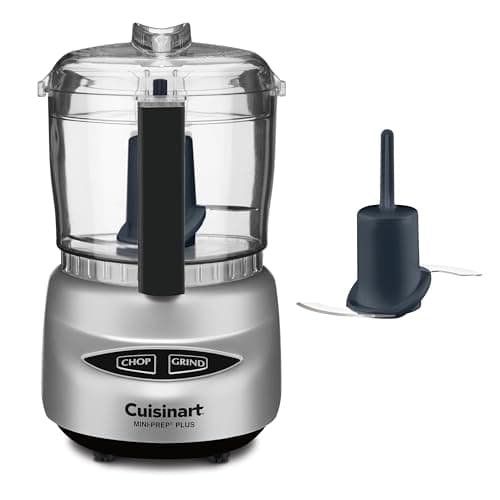
Four mini choppers ranked on bowl size, footprint, warranty and capability — plus what a mini genuinely cannot do.
Guide
How to Clean a Blender
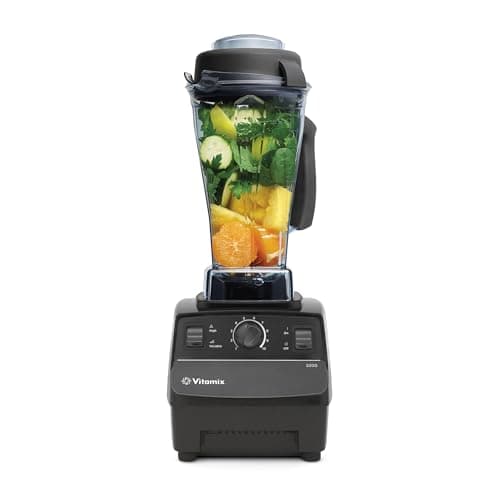
The 30-second self-clean, the gasket that causes smells, cloudy jars, and what should never go in the dishwasher.
Roundup
The Best Non-Toxic Food Processors
Ranked on published BPA-free statements for the work bowl, with the brands that print nothing named as printing nothing.
https://wattandwhisk.com/food-processors/how-to-clean-a-food-processor