The Best Mini Food Processors
Three to four cups, a cabinet shelf, and about eighty percent of the jobs a full-size processor does. Here is which one and where the line falls.
Disclosure:Watt & Whisk is reader-supported. When you buy through links on this page we may earn an Amazon Associates commission, at no extra cost to you. Prices are pulled live from Amazon and shown with the date checked. How this works.
The Cuisinart Mini-Prep Plus is the mini to buy for most people: a 3-cup bowl, a 250-watt motor and a reversible blade, in a machine 7 inches wide that lives in a cabinet. The KitchenAid 3.5-cup chopper is the one to buy if you want it to last — its listing carries a 9-year limited warranty and it pours without removing the blade. The BLACK+DECKER 3-cup is the cheapest useful option, and the Cuisinart 8-cup is the step up if you want slicing discs too.
The short answer
Quick picks
| # | Product | Best for | Score | Price |
|---|---|---|---|---|
| 01 | 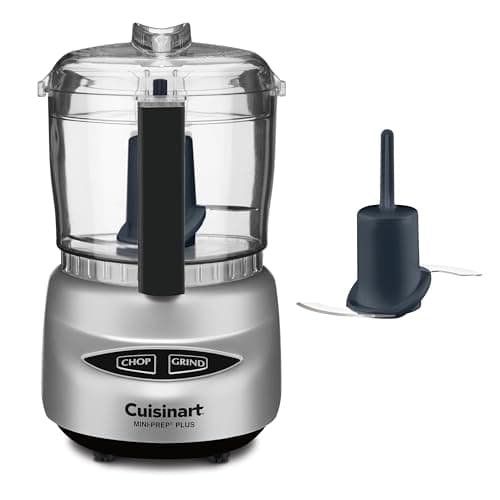 Cuisinart Mini-Prep Plus A 3-cup, 250-watt chopper that lives in a cabinet and comes out for pesto, dressings, nuts, and a single onion. For small kitchens that don't need a 14-cup monster, it does 80% of the jobs at a fraction of the size. 3 Cup · 250W | Best mini / small kitchen | 4.1★★★★★ | $29.29Amazon |
| 02 | 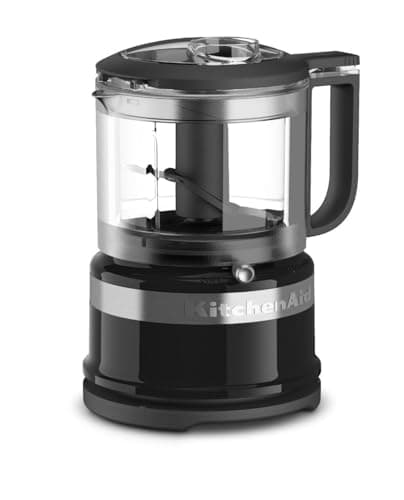 KitchenAid 3.5-Cup Chopper A 3.5-cup chopper with a locking blade, a proper handle and a pour spout — so you can tip a dressing straight out without fishing the blade from the bowl first. The listing carries a 9-year limited warranty, which is extraordinary for a $70 appliance. 3.5 Cup | Best mini for the long run | 4.3★★★★★ | Check price → |
| 03 | 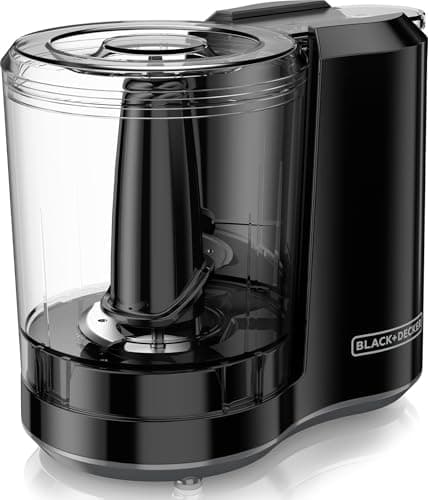 BLACK+DECKER 3-Cup Chopper A one-touch, 3-cup chopper with bi-level stainless blades and oil holes in the lid so you can stream oil into a vinaigrette or hummus while it runs. At 1.8 lb and 7 inches tall it costs about as much as a decent chef's knife and does the boring 80% of prep. 3 cup | Cheapest useful chopper | 3.8★★★★★ | $23.57Amazon |
| 04 | 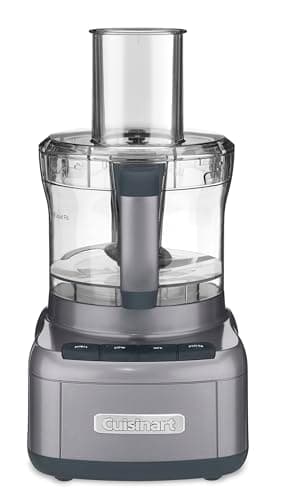 Cuisinart 8-Cup FP-8 The sensible middle of the Cuisinart line: an 8-cup bowl with measurement markings, a 350-watt motor, and a reversible shredding and slicing disc included — so unlike every mini here, it actually does the knife work, not just the chopping. 8 Cup · 350W | Best mid-size with discs | 4.2★★★★★ | $129.95Amazon |
#ad · Live prices from the Amazon Product API, as of October 17, 2026. Where we have no verified live price, we show none — a gap beats a number that has rotted.
The picks, in detail
Cuisinart Mini-Prep Plus
spec score /5
$39.9527% off
Price as of October 17, 2026. Prices change — Amazon's is the one that counts.
#ad · we may earn a commission from this link to Cuisinart Mini-Prep Plus
A 3-cup, 250-watt chopper that lives in a cabinet and comes out for pesto, dressings, nuts, and a single onion. For small kitchens that don't need a 14-cup monster, it does 80% of the jobs at a fraction of the size.
- Capacity
- 3 Cup
- Footprint (W×D×H)
- 7 × 5 × 9.25 in
- Power
- 250 W
- Weight
- 2.2 lb
- Cost per use*
- ≈1¢
- Est. per year*
- ≈$3
- Warranty
- 18 months
- Tiny — stores in a cabinet
- Perfect for herbs, nuts, dressings
- Very inexpensive
- 3 cups is small
- Chop/grind only — no slicing disc
- Not for big batches
*Cost-to-run computed from the manufacturer's stated 250W at $0.17/kWh (US average), 20-min sessions, 4×/week. Your rate and use will vary.
KitchenAid 3.5-Cup Chopper
spec score /5
No buyable offer at the last price check (October 17, 2026). We show nothing rather than a stale number.
#ad · we may earn a commission from this link to KitchenAid 3.5-Cup Chopper
A 3.5-cup chopper with a locking blade, a proper handle and a pour spout — so you can tip a dressing straight out without fishing the blade from the bowl first. The listing carries a 9-year limited warranty, which is extraordinary for a $70 appliance.
- Capacity
- 3.5 Cup
- Footprint (W×D×H)
- 7 × 5.6 × 8.74 in
- Weight
- 2.7 lb
- Warranty
- 9 Year Limited
- 9-year limited warranty per the listing
- Locking blade lets you pour without removing it
- 8.7 in tall — lives in a cabinet
- 3.5 cups chops for one or two
- Chop only — no slicing or shredding discs
- Costs double a basic mini chopper
BLACK+DECKER 3-Cup Chopper
spec score /5
$25.999% off
Price as of October 17, 2026. Prices change — Amazon's is the one that counts.
#ad · we may earn a commission from this link to BLACK+DECKER 3-Cup Chopper
A one-touch, 3-cup chopper with bi-level stainless blades and oil holes in the lid so you can stream oil into a vinaigrette or hummus while it runs. At 1.8 lb and 7 inches tall it costs about as much as a decent chef's knife and does the boring 80% of prep.
- Capacity
- 3 cup
- Footprint (W×D×H)
- 5 × 6.5 × 7 in
- Weight
- 1.8 lb
- Oil holes for emulsifying dressings and hummus
- 1.8 lb, 7 in tall — genuinely pocket-sized for a cabinet
- Cheapest pick in this guide
- One-touch only — no speed or pulse control
- 3-cup bowl fills fast
- No published warranty on the listing
Cuisinart 8-Cup FP-8
spec score /5
Price as of October 17, 2026. Prices change — Amazon's is the one that counts.
#ad · we may earn a commission from this link to Cuisinart 8-Cup FP-8
The sensible middle of the Cuisinart line: an 8-cup bowl with measurement markings, a 350-watt motor, and a reversible shredding and slicing disc included — so unlike every mini here, it actually does the knife work, not just the chopping.
- Capacity
- 8 Cup
- Footprint (W×D×H)
- 9.58 × 7.6 × 15.19 in
- Power
- 350 W
- Weight
- 6 lb
- Cost per use*
- ≈2¢
- Est. per year*
- ≈$4
- Warranty
- Limited 2-year
- Reversible slicing/shredding disc in the box
- 8-cup bowl with measurement markings
- 2-year limited warranty
- 350 W is half the 14-cup DFP-14's motor
- Not for stiff bread dough
- Fewer discs than the KitchenAid 13-cup
*Cost-to-run computed from the manufacturer's stated 350W at $0.17/kWh (US average), 20-min sessions, 4×/week. Your rate and use will vary.
A mini food processor is the most under-rated appliance in a small kitchen, and the reason is a simple mismatch: most people who buy a 14-cup processor use it for jobs that fit in three cups, then stop using it because getting it out and washing it is not worth chopping one onion. A mini removes that friction entirely. It lives in a cabinet, weighs a couple of pounds, and washes in thirty seconds.
The trade is real, and this guide is mostly about defining it. Every spec comes from the machine's current listing — our method is on how we review.
What a mini genuinely does — and does not
Does: chops herbs, garlic, onions, shallots and nuts; makes pesto, chimichurri, salsa verde, hummus and dips; emulsifies vinaigrettes; grinds breadcrumbs and hard cheese; purées baby food; blitzes a small amount of cooked vegetables into a sauce. That covers most of what home cooks actually do with a processor.
Does not: slice or shred, because a disc needs a wide bowl and a feed tube — this is the single biggest capability gap and it is absolute, not a matter of degree. It will not handle dough beyond the smallest pastry quantities, will not process a batch for more than a few people, and will not replace a full-size machine for prep-day cooking.
If slicing and shredding are why you want a processor, stop here and read Cuisinart vs. KitchenAid — no mini will do it.
The picks
Cuisinart Mini-Prep Plus — best overall mini
The category standard, and cheap enough to be an impulse buy. A 3-cup (24-ounce) bowl, a 250-watt motor, and the feature that distinguishes it: a reversible blade with a sharp edge for chopping and a blunt edge for grinding, so hard things like parmesan, coffee or spices get ground rather than bounced around.
At 7 inches wide, 5 deep and 9.25 tall and 2.2 lb, it stores in a cabinet without negotiation, and it is the machine we would put in almost any small kitchen. The listing carries an 18-month warranty. Cons stated plainly: 3 cups fills quickly, there are no slicing or shredding discs, and it is not for large batches. For pesto, dressings, a single onion and a handful of nuts, it does the job at a fraction of the size of a real processor.
KitchenAid 3.5-cup chopper — best for the long run
Two things separate this from the rest of the class. The first is the warranty: the listing states a 9-year limited warranty, which is extraordinary for an appliance at this price and a genuinely different proposition from the one-year cover that is standard here.
The second is the locking blade. Most mini choppers require you to lift a sharp blade out of the bowl before you can tip the contents anywhere, which is both fiddly and how people cut themselves. KitchenAid's blade locks in place and the bowl has a handle and a pour spout, so you pour a vinaigrette straight out. It sounds minor and it is the thing you will appreciate most.
The bowl is marginally larger at 3.5 cups, and at 8.74 inches tall it still stores easily. Cons: it costs roughly double a basic mini chopper, it is chop-only with no discs, and 3.5 cups is still a two-person quantity.
BLACK+DECKER 3-cup — cheapest useful chopper
The budget answer, and it earns its place on one clever detail: oil holes in the lid, so you can stream olive oil into a running bowl to emulsify a vinaigrette or loosen hummus without stopping and lifting the lid. That is a feature usually found on machines several times the price.
It is a 3-cup bowl with bi-level stainless blades, dishwasher-safe removable parts, and a footprint of 5 × 6.5 × 7 inchesat 1.8 lb — the smallest and lightest machine in this guide by a clear margin. Cons: one-touch operation with no speed or pulse control, which costs you texture precision; the 3-cup bowl fills fast; and there is no published warranty on the listing. For under the price of a decent chef's knife it does the boring eighty percent of prep, and that is the whole argument.
Cuisinart 8-cup FP-8 — when a mini is not enough
Included as the honest upgrade path, because a lot of people buy a mini and discover within a month that they wanted discs. The FP-8 is the smallest machine we track that is a real food processor: an 8-cup bowl with measurement markings, a 350-watt motor, an integrated feed tube, and a reversible shredding and slicing disc in the box.
At 6 lb and 9.58 × 7.6 × 15.19 inchesit is still storable, unlike a 14-cup machine, and the 2-year limited warranty is longer than the Cuisinart mini's 18 months. Cons: 350 watts is half the DFP-14's motor and it is not for stiff bread dough, it has fewer discs than the KitchenAid 13-cup, and it costs several times what a mini does. If you want one processor and you sometimes shred cheese, this is the right compromise — the rest of that tier is in best budget food processors.
How to size a mini correctly
Three cups sounds small because we think in bowl volumes rather than working volumes. A processor works best between about a third and two-thirds full — under that, the food sits outside the blade's sweep and comes out unevenly; over it, the top of the load never reaches the blade at all.
In practice, a 3-cup mini comfortably handles two onions, a large bunch of herbs, a cup of nuts, or a batch of hummus for four. If you routinely cook for six or batch-prep for a week, you want a full-size machine. If you are cooking for one to four and reaching for a knife for small jobs, a mini is the correct purchase, and the one that will actually get used.
What people expect a mini to do and it does not
Four recurring disappointments, worth knowing before you buy rather than after.
Uniform dice. A mini chops by repeatedly striking food with a spinning blade, so what you get is a distribution of sizes, not a dice. Pulsing gives you control over the average, not the consistency. If you want cubes the same size, that is a knife or a dicing kit on a full-size machine.
Grating hard cheese into strands.A mini will reduce parmesan to a coarse powder, which is fine for pasta and wrong for anything you wanted shredded. Shredding needs a disc, and discs need a wide bowl. The Cuisinart Mini-Prep's reversible blade with its blunt grinding edge is the best version of this compromise.
Kneading anything. Three cups of bowl and 250 watts is not a dough machine. It will bring a very small quantity of pastry together and it will strain doing it. Do not buy a mini for pastry.
Emulsifying without help.Mayonnaise and vinaigrette need oil added slowly while the blade runs, and most minis have a sealed lid with nowhere to pour. This is exactly why the BLACK+DECKER's oil holes are worth mentioning — it is the one machine here designed for it, and on the others you are stopping, adding, and restarting.
Care, and why minis get replaced
Minis fail in predictable ways and most of them are avoidable. The commonest is a blunt blade, which people diagnose as a weak motor: if your machine has started bruising herbs instead of cutting them or leaving mush at the bottom and chunks at the top, the blade has dulled rather than the motor weakened. Blades are usually available as a spare part and cost far less than a new machine.
The second is a cracked bowl, almost always from dishwasher heat over time rather than from impact. Every machine here has dishwasher-safe removable parts, but hand washing the bowl and running only the blade and lid through the machine will meaningfully extend its life — the bowls are the part you cannot easily replace.
The third is a failed lid interlock, the safety switch that stops the motor running with the lid off. Forcing a lid that will not seat, or storing the machine assembled and locked under pressure, is what wears it out. Store minis with the lid resting on rather than twisted into place.
Mini processor or personal blender?
They look interchangeable and are not. A mini processor has a wide, shallow bowl and works almost dry — it chops things to a size you control. A personal blender has a tall narrow cup and needs liquid to create the vortex that feeds its blade — it makes things smooth and wet.
Ask a bullet blender to chop an onion and you get onion purée or, more likely, big chunks and liquid. Ask a mini processor for a smoothie and you get a leaking bowl and a gritty drink. If you want one small machine and your jobs are dressings, herbs and dips, buy the processor; if they are smoothies and shakes, buy the blender. The full argument is in blender vs. food processor.
Getting a clean chop instead of mush
Minis have a reputation for producing a puréed layer at the bottom and untouched chunks at the top. That is a loading problem, not a machine problem, and four habits fix it.
Cut to roughly even pieces first. A whole onion quarter and a thin slice in the same bowl will never come out the same size, because the blade reaches the small piece repeatedly and the large one occasionally. Thirty seconds of rough knife work transforms the result.
Fill between a third and two-thirds.Too little and the food sits outside the blade's sweep; too much and the top never reaches the blade at all. This is the single most common mistake.
Pulse in short bursts and look. Four one-second pulses give you chopped onion; ten seconds of continuous run gives you onion water. There is no way back from over-processing, so stop earlier than feels right and add a pulse.
Keep wet and dry separate. Chopping a tomato with an onion means the tomato liquid carries the onion away from the blade. Process them separately and combine afterwards — it takes an extra thirty seconds and it is the difference between salsa and soup.
The verdict
Cuisinart Mini-Prep Plus for most kitchens — the reversible blade is genuinely useful and the price is nominal. KitchenAid 3.5-cup if you want the 9-year warranty and the pour-without-removing-the-blade design. BLACK+DECKER 3-cup if the budget is the constraint and the oil holes appeal. Cuisinart 8-cup FP-8 if you have realized you want discs after all. All four are on our small-kitchen shortlist, because they are the processors that do not cost you counter space.
One thing worth settling before you buy any of these is whether a chopper is the right category at all. A 3-cup machine will never slice or shred, because discs need a feed tube and choppers do not have one — food processor vs. chopper works through where that line falls and which jobs sit on each side of it.
Frequently asked questions
What is the best mini food processor?
The Cuisinart Mini-Prep Plus for most people — a 3-cup bowl, a 250-watt motor and a reversible blade with a sharp edge for chopping and a blunt edge for grinding hard things like parmesan. The KitchenAid 3.5-cup is the pick if you want the 9-year limited warranty and a blade that locks so you can pour without removing it.
Can a mini food processor slice and shred?
No. Slicing and shredding need a disc at the top of a wide bowl with a feed tube above it, and no mini chopper has that geometry. If slicing and shredding are why you want a processor, you need a full-size machine — the smallest that includes a disc is the Cuisinart 8-cup FP-8.
Is 3 cups big enough for a food processor?
For one to four people, usually yes. A 3-cup bowl comfortably handles two onions, a large bunch of herbs, a cup of nuts, or hummus for four. Processors work best between about a third and two-thirds full, so a small bowl often gives a more even chop on small jobs than a large one.
Mini food processor or personal blender — which should I buy?
A mini processor works almost dry in a wide shallow bowl and chops to a size you control. A personal blender needs liquid to feed its blade and makes things smooth. Buy the processor for dressings, herbs, dips and chopping; buy the blender for smoothies and shakes.
Can you make hummus in a mini food processor?
Yes — it is one of the jobs minis do best. A 3-cup bowl handles hummus for about four people, and the BLACK+DECKER's oil holes let you stream oil in while it runs to loosen the texture without stopping and lifting the lid.
Sources
Keep reading
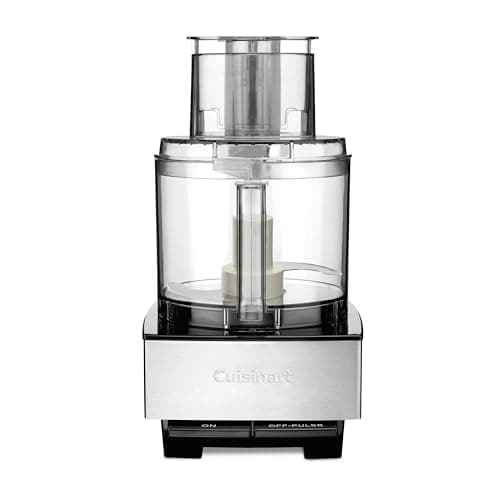
Food Processors
The Best Food Processors of 2026
Cuisinart 14-cup, KitchenAid 13-cup and a 3-cup mini compared on bowl size, power and discs.
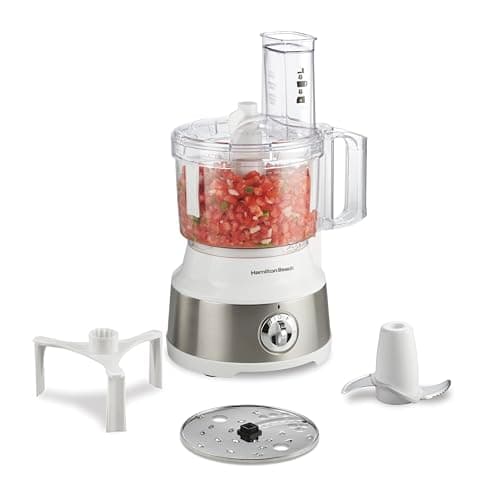
Roundup
The Best Budget Food Processors
Five budget processors ranked on bowl size, motor, discs and warranty — and the three jobs where cheap machines genuinely fall short.
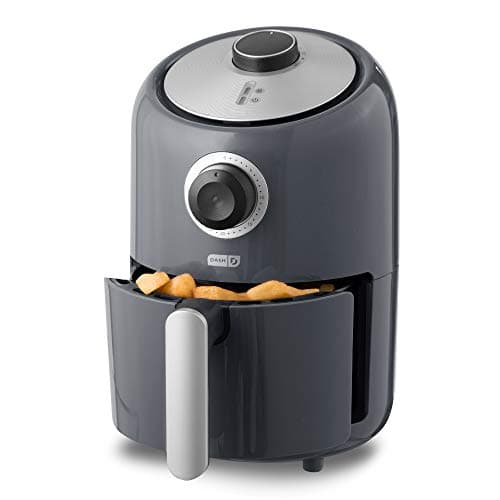
Small Kitchen
Best Appliances for Small Kitchens & Apartments
The most compact air fryer, blender, food processor and sous vide, chosen footprint-first for tight kitchens.
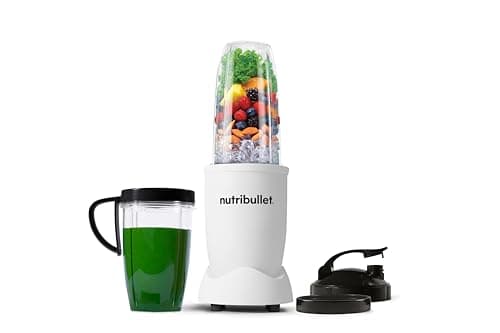
Roundup
The Best Personal Blenders
Four blend-and-go blenders compared on cup size, footprint, power and cleanup — including a cordless one.
Guide
How to Clean a Food Processor
The 60-second routine, safe blade handling, the parts people forget, and the habits that make a processor last.
https://wattandwhisk.com/food-processors/best-mini-food-processors