The Best Dorm Room Appliances
Everything here fits on a desk or a shelf, runs off one outlet, and answers the question a dining hall doesn't.
Disclosure:Watt & Whisk is reader-supported. When you buy through links on this page we may earn an Amazon Associates commission, at no extra cost to you. Prices are pulled live from Amazon and shown with the date checked. How this works.
For a dorm the shortlist is short. The Dash Compact air fryer is 8.1 inches wide and handles most real cooking. The Magic Bullet at 3.25 lb or the NutriBullet 600 cover smoothies and shakes. The BLACK+DECKER 3-cup chopper is 1.8 lb and does the knife work. The Anova Mini is a wand that lives in a drawer. Check your housing rules first — many ban exposed heating elements, and wattage limits are real.
The short answer
Quick picks
| # | Product | Best for | Score | Price |
|---|---|---|---|---|
| 01 | 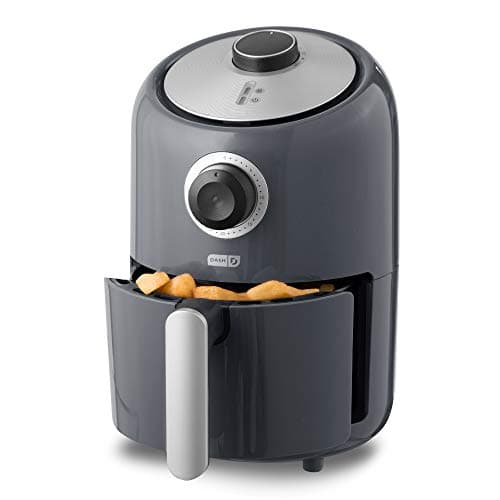 Dash Compact At 2 quarts and just 8.1 inches wide, the Dash Compact is the smallest real air fryer here — the one that fits a dorm, an RV, or a studio-apartment counter with no room to spare. Analog dials, nothing fancy, very cheap. 2qt | Best for tiny counters | 4.0★★★★★ | $49.99Amazon |
| 02 | 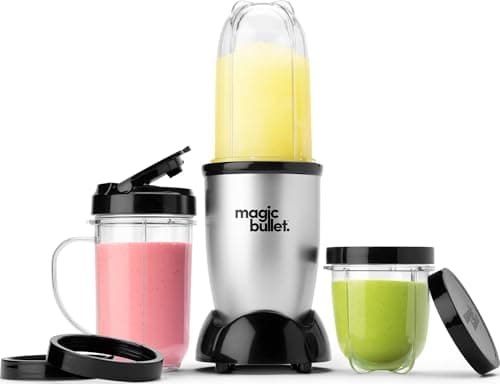 Magic Bullet (11-Piece) A 250-watt motor base, a cross blade, three cups and some lids — the machine that invented this whole category. It is not powerful, but at 3.25 lb and under a foot tall it lives in a dorm cupboard and handles pico, dressings and a soft-fruit smoothie for almost nothing. 11 piece · 250W | Best tiny-budget pick | 3.8★★★★★ | $37.81Amazon |
| 03 | 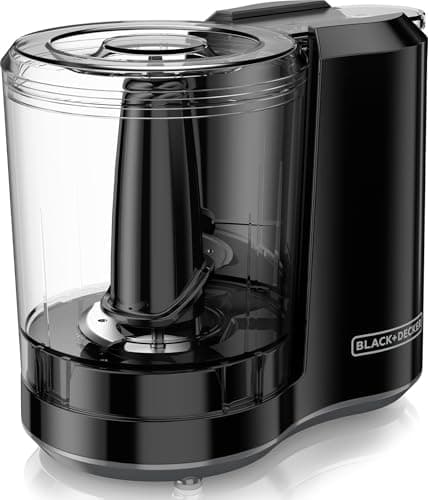 BLACK+DECKER 3-Cup Chopper A one-touch, 3-cup chopper with bi-level stainless blades and oil holes in the lid so you can stream oil into a vinaigrette or hummus while it runs. At 1.8 lb and 7 inches tall it costs about as much as a decent chef's knife and does the boring 80% of prep. 3 cup | Cheapest useful chopper | 3.8★★★★★ | $23.57Amazon |
| 04 | 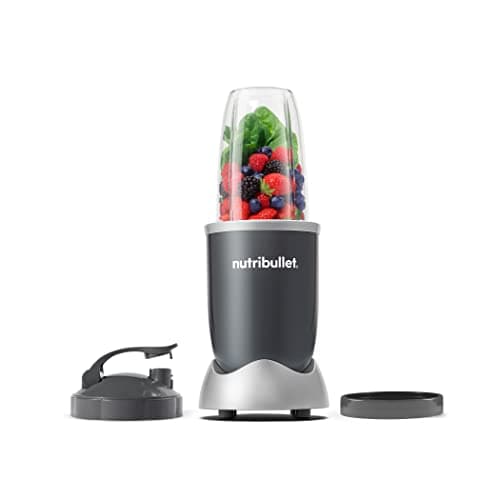 NutriBullet 600 The original 600-watt NutriBullet does one thing: a 24-ounce smoothie in a cup you drink from. It is the cheapest way into blend-and-go without dropping to a 250-watt bullet, and it fits in the gap between the kettle and the toaster. One Cup · 600W | Best cheap personal blender | 4.1★★★★★ | $59.96Amazon |
| 05 | 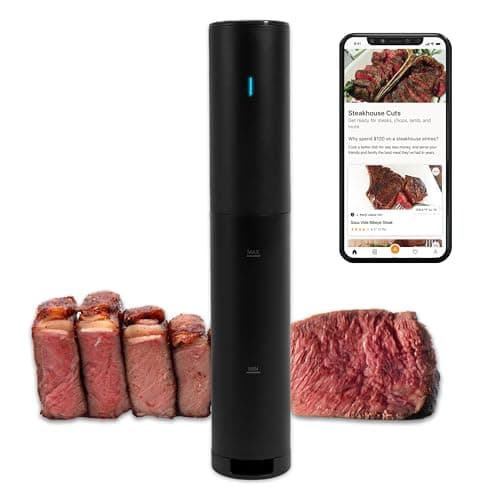 Anova Precision Cooker Mini Anova's most affordable circulator: 850 watts, 1.83 lb, Bluetooth control from the free app. It is the low-stakes way to find out whether you'll actually cook this way twice a month, and it costs less than the steak you'd ruin learning on the hob. Mini · 850W | Best cheapest way to try sous vide | 4.0★★★★★ | $26.99Amazon |
#ad · Live prices from the Amazon Product API, as of October 17, 2026. Where we have no verified live price, we show none — a gap beats a number that has rotted.
The picks, in detail
Dash Compact
spec score /5
Price as of October 17, 2026. Prices change — Amazon's is the one that counts.
#ad · we may earn a commission from this link to Dash Compact
At 2 quarts and just 8.1 inches wide, the Dash Compact is the smallest real air fryer here — the one that fits a dorm, an RV, or a studio-apartment counter with no room to spare. Analog dials, nothing fancy, very cheap.
- Capacity
- 2qt
- Footprint (W×D×H)
- 8.1 × 10.2 × 11.4 in
- Weight
- 5.8 lb
- Warranty
- 1 year limited warranty
- Smallest footprint here (8.1 in wide)
- Very inexpensive
- Cool-touch handle, auto shut-off
- 2 qt cooks for one, maybe two
- Analog timer only
- Standard nonstick basket
Magic Bullet (11-Piece)
spec score /5
$39.995% off
Price as of October 17, 2026. Prices change — Amazon's is the one that counts.
#ad · we may earn a commission from this link to Magic Bullet (11-Piece)
A 250-watt motor base, a cross blade, three cups and some lids — the machine that invented this whole category. It is not powerful, but at 3.25 lb and under a foot tall it lives in a dorm cupboard and handles pico, dressings and a soft-fruit smoothie for almost nothing.
- Capacity
- 11 piece
- Footprint (W×D×H)
- 4.48 × 4.01 × 11.61 in
- Power
- 250 W
- Weight
- 3.25 lb
- Cost per use*
- ≈1¢
- Est. per year*
- ≈$3
- Warranty
- 5 Year Warranty
- Cheapest real blender here
- 3.25 lb, 11.6 in tall — stores in a cupboard
- Surprising 5-year warranty for the price
- 250 W struggles with ice and frozen fruit
- Cups are small (single-serve)
- Twist-to-run base, no speed control
*Cost-to-run computed from the manufacturer's stated 250W at $0.17/kWh (US average), 20-min sessions, 4×/week. Your rate and use will vary.
BLACK+DECKER 3-Cup Chopper
spec score /5
$25.999% off
Price as of October 17, 2026. Prices change — Amazon's is the one that counts.
#ad · we may earn a commission from this link to BLACK+DECKER 3-Cup Chopper
A one-touch, 3-cup chopper with bi-level stainless blades and oil holes in the lid so you can stream oil into a vinaigrette or hummus while it runs. At 1.8 lb and 7 inches tall it costs about as much as a decent chef's knife and does the boring 80% of prep.
- Capacity
- 3 cup
- Footprint (W×D×H)
- 5 × 6.5 × 7 in
- Weight
- 1.8 lb
- Oil holes for emulsifying dressings and hummus
- 1.8 lb, 7 in tall — genuinely pocket-sized for a cabinet
- Cheapest pick in this guide
- One-touch only — no speed or pulse control
- 3-cup bowl fills fast
- No published warranty on the listing
NutriBullet 600
spec score /5
Price as of October 17, 2026. Prices change — Amazon's is the one that counts.
#ad · we may earn a commission from this link to NutriBullet 600
The original 600-watt NutriBullet does one thing: a 24-ounce smoothie in a cup you drink from. It is the cheapest way into blend-and-go without dropping to a 250-watt bullet, and it fits in the gap between the kettle and the toaster.
- Capacity
- One Cup
- Footprint (W×D×H)
- 6.85 × 11.61 × 12.28 in
- Power
- 600 W
- Cost per use*
- ≈3¢
- Est. per year*
- ≈$7
- Warranty
- One Year Limited
- Blends straight into the 24-oz cup you drink from
- Under 7 in wide — parks anywhere
- Twist-off blade rinses in seconds
- 600 W stalls on thick frozen loads
- Single-serve only
- One-year limited warranty
*Cost-to-run computed from the manufacturer's stated 600W at $0.17/kWh (US average), 20-min sessions, 4×/week. Your rate and use will vary.
Anova Precision Cooker Mini
spec score /5
$29.007% off
Price as of October 17, 2026. Prices change — Amazon's is the one that counts.
#ad · we may earn a commission from this link to Anova Precision Cooker Mini
Anova's most affordable circulator: 850 watts, 1.83 lb, Bluetooth control from the free app. It is the low-stakes way to find out whether you'll actually cook this way twice a month, and it costs less than the steak you'd ruin learning on the hob.
- Capacity
- Mini
- Footprint (W×D×H)
- 2.2 × 4.13 × 12.2 in
- Power
- 850 W
- Weight
- 1.83 lb
- Cost per use*
- ≈5¢
- Est. per year*
- ≈$10
- Cheapest circulator we'd actually recommend
- 850 W is plenty for a stockpot
- 1.83 lb — stores anywhere
- Bluetooth only on the free app; Wi-Fi needs a subscription
- Slowest to bring a big bath up to temperature
- No published warranty on the listing
*Cost-to-run computed from the manufacturer's stated 850W at $0.17/kWh (US average), 20-min sessions, 4×/week. Your rate and use will vary.
Dorm cooking has two constraints that no normal buying guide accounts for: a room measured in feet rather than meters, and a set of housing rules that may quietly ban half the appliance aisle. So this guide leads with the rules, because buying something you have to send home is the most common mistake here.
All dimensions come from each machine's current manufacturer listing. Our method is on how we review.
Check these before you buy anything
Exposed heating elements are the usual ban. Many residence agreements prohibit hot plates, toasters and anything with a visible glowing element, on fire-safety grounds. Enclosed appliances — an air fryer with a closed drawer, a sealed blender — are usually treated differently, but you have to read your specific agreement rather than assume.
Wattage caps and circuit load are real. Dorm rooms often run several rooms off one circuit. A 1,500-watt appliance plus a kettle plus a hairdryer on the same circuit is how a floor loses power. Nothing on this page is a problem alone; running two high-wattage things at once can be.
Surge protectors, not extension leads. Most housing rules require a proper surge-protected strip, and many ban daisy-chained extension cords outright.
Storage is the binding constraint. Whatever you buy has to live somewhere for the 8 months you are there and travel home twice. Weight and nesting matter more than capacity.
The picks
Dash Compact — the one appliance that does real cooking
If you buy one thing, buy this. At 8.1 inches wide, 10.2 deep, 11.4 tall and 5.8 lb, the Dash Compact is the smallest genuine air fryer we track — small enough for a desk, a shelf or a shared kitchen cupboard.
Two quarts sounds tiny and is enough for one person cooking a full meal: chicken thighs and vegetables, frozen food that comes out crisp rather than soggy, reheated leftovers that are actually good. It has analog dials, a cool-touch handle and auto shut-off, and there is nothing to learn or go wrong.
Honest cons: 2 quarts cooks for one, maybe two at a push. The timer is analog only. The basket is standard nonstick rather than a PFAS-free ceramic — if that matters, our non-toxic guide covers the alternatives, though they are all larger. And because it is enclosed rather than an exposed element, it is the appliance most likely to be permitted — but check.
Magic Bullet — the classic dorm blender
A 250-watt motor base with a cross blade, a tall cup, a short cup, a party mug and lids — eleven pieces, 3.25 lb, and 11.61 inches tall. It fits in a cupboard with room to spare and costs about as much as two takeaways.
The listing carries a five-year warranty, which is genuinely surprising at this price and useful for something that will be packed into a car twice a year.
Set expectations honestly: 250 watts handles soft fruit, protein shakes, dressings, pesto and dips. Ask it for a cup of solid ice and it will complain and need shaking. As a first blender for someone who is not sure they will use one, it is very hard to beat.
NutriBullet 600 — if smoothies are the point
The step up worth taking if frozen fruit is in your smoothie most mornings. 600 watts and a 24-ounce cup you drink from directly, with a base under 7 inches wide. The twist-off blade rinses in seconds, which is what decides whether a blender gets used when the nearest sink is down a corridor.
Cons: 600 W still labors on a cup packed with hard frozen fruit — that is where the 900-watt Pro earns its money — it is single-serve only, and the warranty is one year. We compare the whole family in NutriBullet vs. Magic Bullet.
BLACK+DECKER 3-cup chopper — the cheapest useful tool
At 5 × 6.5 × 7 inches and 1.8 lb, this is the smallest and lightest appliance in any of our guides. One-touch operation, bi-level stainless blades, dishwasher-safe removable parts, and oil holes in the lid so you can stream oil in to emulsify a dressing or loosen hummus while it runs.
Why it belongs in a dorm: chopping is the thing that stops people cooking when they do not have a proper board, a sharp knife or counter space. This removes that, costs about as much as a decent chef's knife, and stores in a drawer.
Cons: one-touch only, with no speed or pulse control, so texture precision is limited. The 3-cup bowl fills fast. No published warranty on the listing. The full class is in best mini food processors.
Anova Precision Cooker Mini — the surprise pick
Unexpected on a dorm list and genuinely good. A sous vide circulator is a wand — 12.2 inches long, 1.83 lb — that clips to any pot you already own and lives in a drawer. It costs you no shelf space at all, which is the scarcest thing in a dorm room.
At 850 wattsit is Anova's most affordable cooker, and it makes cheap cuts of meat and chicken breast genuinely good with no skill required — you cannot overcook, because food cannot exceed the water temperature. For someone learning to cook it removes the hardest variable.
Cons that matter here: it needs a pot deep enough to meet its minimum water line, which not every dorm kitchen has, and it needs a hot pan to finish anything you want browned — water cannot brown. The free app tier is Bluetooth-only. Start with what is sous vide if the technique is new.
What dorm cooking actually looks like
Worth setting expectations, because dorm appliance lists tend to imagine a kitchen that does not exist. Realistically you are working with no oven, no hob, one or two outlets, a bathroom sink or a shared kitchen down the hall, and nowhere to put a chopping board.
That shapes what is worth buying more than any spec. The winning appliances are the ones that need no running water to use, produce no smoke, clean up in a single vessel, and store smaller than they cook.
It also shapes what you cook. The meals that work in a dorm are the ones with few components: chicken thighs and vegetables in one basket, a rice or grain pouch, eggs, a smoothie, reheated leftovers from the dining hall that come back crisp rather than sad. An air fryer covers almost all of that with one vessel to wash, which is why it tops this list rather than a blender.
The corollary is worth saying plainly: if you have access to a decent shared kitchen with an oven and hob, you may need very little of this. Buy the chopper and a good pan and use the kitchen.
Cleaning without a proper sink
The constraint that quietly kills dorm appliances, and it is worth planning for rather than discovering.
Wipe immediately, always. You may not be able to wash something for hours, and dried-on food is dramatically harder to remove. Keep kitchen paper next to the appliance and clear the worst of it while it is still warm.
Prefer machines that self-clean. A bullet blender rinses in seconds; a Ninja Blast-style portable runs a 30-second self-clean cycle with water and a drop of soap. Anything needing disassembly and scrubbing will get skipped.
For the air fryer, a tablespoon of water in the drawer under the crisper plate before cooking anything fatty stops grease baking on — which matters twice as much when a deep clean means carrying the machine to a shared kitchen. The full routine is in how to clean an air fryer.
What to skip
Anything with an exposed element — hot plates, toasters, sandwich presses. Most commonly banned, and an air fryer does the same jobs enclosed.
Full-size anything. A 6-quart air fryer, a 72-ounce blender or a stand mixer are the wrong scale for a room you also sleep in. A stand mixer in particular is 22 to 24 lb of metal — see are stand mixers worth it for why even in a real kitchen it is often the wrong buy.
Single-purpose novelty appliances. Quesadilla makers, egg cookers, mug-cake machines. Used twice, stored forever, carried home in June.
Anything needing a subscription to do its basic job.
If you have a shared kitchen
Different problem, different answer. A shared floor kitchen usually has an oven, a hob and some cupboards, but it also has other people, unpredictable washing-up and nowhere secure to leave anything.
In that situation the priority flips to portability. You want appliances you can carry down, use, and carry back — which rules out anything heavy and favors the bullet blender and the chopper over the air fryer. A 5.8 lb Dash is still carryable; a 17 lb machine is not.
It also makes a good pan and a sharp knife the highest-value purchases by some distance, since the shared kitchen supplies the heat. And it makes labeled, lidded storage containers genuinely important, because a shared fridge without labels is a shared fridge where your food disappears.
The sous vide wand is a surprisingly good shared-kitchen tool for the same reason it is a good dorm-room tool: it clips to a pot that is already there, weighs under two pounds, and goes back in your room afterwards.
What the whole setup costs
Rough shape rather than exact figures, since prices move and the live ones are on the cards above. The useful framing is that a functional dorm setup is genuinely inexpensive relative to a term of eating out.
A compact air fryer and a bullet blender together sit in the same bracket as a couple of weeks of buying lunch. Add the chopper and you are still well under the cost of a single mid-range appliance. The sous vide wand is the optional extra rather than a starting point.
Our advice is to buy the air fryer first and live with it for a month before adding anything, because it will tell you whether you are someone who cooks in their room or someone who was going to eat in the dining hall anyway. Both are fine answers, and the second one saves you money.
The three non-appliances that matter more
Worth saying plainly, because they will improve your cooking more than anything above. One sharp knife and a chopping board. One heavy-based frying pan you can get properly hot — which doubles as the finishing pan for sous vide. And a couple of lidded containers, so cooking once covers two meals.
A dorm kitchen with those three, an air fryer and a bullet blender is a genuinely functional setup, and it costs less than one mid-range appliance.
The verdict
Dash Compact first — it is the one that replaces a dining hall meal. Magic Bullet or NutriBullet 600 second, depending on whether frozen fruit is involved. BLACK+DECKER chopper if you actually cook rather than reheat. Anova Mini if you want to learn to cook meat properly and have a deep enough pot.
Moving somewhere with a real kitchen next year? Our first apartment kitchen appliances guide covers the step up, and kitchen appliance gifts is sorted by budget if someone is buying for you.
Frequently asked questions
What appliances are allowed in a dorm room?
It depends entirely on your housing agreement, but the usual ban is on exposed heating elements — hot plates, toasters, sandwich presses. Enclosed appliances like an air fryer with a closed drawer or a sealed blender are usually treated differently. Read your specific agreement rather than assuming.
What is the best air fryer for a dorm room?
The Dash Compact. At 8.1 inches wide, 5.8 lb and 2 quarts it is the smallest genuine air fryer we track, with analog dials, a cool-touch handle and auto shut-off. Two quarts is enough for one person cooking a full meal.
Will a dorm appliance trip the breaker?
It can if you run two high-wattage things at once — dorm rooms often share a circuit between several rooms. Nothing on this list is a problem alone, but an air fryer plus a kettle plus a hairdryer on the same circuit is how a floor loses power.
Is a sous vide cooker practical in a dorm?
Surprisingly, yes — it is a wand about 12 inches long that clips to a pot you already own and stores in a drawer, so it costs no shelf space. You need a pot deep enough to meet its minimum water line, and a hot pan to brown anything afterwards.
What is the cheapest useful kitchen appliance for a student?
The BLACK+DECKER 3-cup chopper, at 1.8 lb and 5 by 6.5 by 7 inches. Chopping is the thing that stops people cooking without a proper board and sharp knife, and this removes it for about the price of a decent chef's knife.
Sources
Keep reading
Small Kitchen
Best Appliances for Small Kitchens & Apartments
The most compact air fryer, blender, food processor and sous vide, chosen footprint-first for tight kitchens.
Guide
First Apartment Kitchen Appliances: What to Buy, In Order
The three countertop appliances a first kitchen actually needs, in buying order — plus what to skip and when to upgrade.
Roundup
The Best Small Air Fryers of 2026
The smallest-footprint air fryers for apartments, dorms and RVs, ranked by real width.
Comparison
NutriBullet vs. Magic Bullet: What Is the Difference?
NutriBullet vs Magic Bullet on power, cup size, warranty and what each can genuinely handle — plus where each one stops.
https://wattandwhisk.com/small-kitchen/best-appliances-for-a-dorm-room