What Do Countertop Appliances Actually Cost to Run?
One formula, every category, worked out from the wattage on the box — and the answer is smaller than almost anyone expects.
Almost nothing, and the differences between categories are larger than the differences within them. Per use, at the US average of $0.17/kWh: a food processor costs about 0.2 cents, a blender about 0.4 cents, a stand mixer about 0.9 cents, an air fryer about 9 cents, and a two-hour sous vide cook has an upper bound of about 37 cents. Run time, not wattage, is what separates them — the appliances that cost the most are the ones that stay on the longest.
We publish the running cost of every appliance we cover, because nobody else does and because it is one of the few numbers in this category that is genuinely checkable rather than a matter of opinion. This post pulls all five categories into one place so you can see how they compare.
Every figure below is arithmetic you can re-do yourself from the wattage printed on the box. Nothing here is measured in a lab, because we do not have one — and we say so on how we review.
The formula
watts ÷ 1,000 × hours of use × your electricity rate = cost
We use $0.17 per kWh, the US average residential price published by the Energy Information Administration. Your rate matters more than your appliance does: US residential rates vary by roughly a factor of three between the cheapest and most expensive states, so substitute your own number from your bill if you want a figure that applies to you rather than to the national average.
One caveat that applies throughout: wattage is a rated figure, meaning the maximum the appliance draws. Anything with a thermostat — an air fryer, a sous vide circulator — cycles its element on and off once it reaches temperature rather than drawing full power continuously. So these figures are honest upper bounds rather than metered measurements, and we flag where the gap is large.
Every category, ranked by cost per use
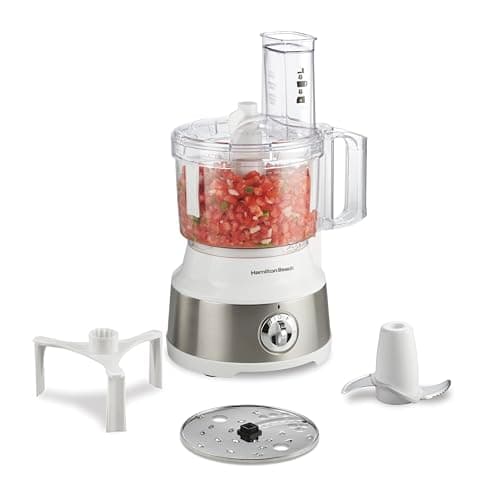
Food processors — about 0.2 cents
The cheapest thing in the kitchen, because they run for under a minute.
- Cuisinart Mini-Prep Plus, 250 W, 30 seconds — 0.002 kWh ≈ 0.04 cents
- Cuisinart FP-8, 350 W, 60 seconds — 0.006 kWh ≈ 0.1 cents
- Hamilton Beach 10-cup, 450 W, 60 seconds — 0.0075 kWh ≈ 0.13 cents
- Cuisinart DFP-14, 720 W, 60 seconds — 0.012 kWh ≈ 0.2 cents
Daily use of the largest of those for a full year comes to about 73 cents. See are food processors worth it?
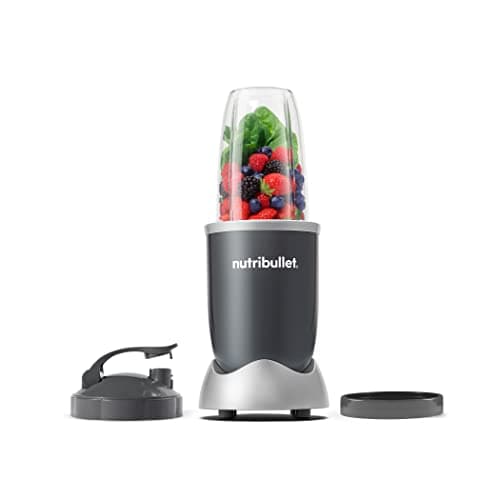
Blenders — about 0.4 cents
Bigger motors, similarly short run times.
- Magic Bullet, 250 W, 30 seconds — 0.002 kWh ≈ 0.04 cents
- NutriBullet 600, 600 W, 45 seconds — 0.0075 kWh ≈ 0.13 cents
- Ninja BL610, 1,000 W, 90 seconds — 0.025 kWh ≈ 0.4 cents
- Ninja BN701, 1,400 W, 90 seconds — 0.035 kWh ≈ 0.6 cents
A daily smoothie on the thirstiest of those costs about 22 cents a year. Note that Vitamix does not publish wattages — its machines are specified as 2 HP — so we cannot include them in this table without inventing a number, and we will not. More in how many watts you need in a blender.
Stand mixers — about 0.9 cents
Modest motors, but a ten-minute knead is a long run by kitchen standards.
- Hamilton Beach 4-qt, 300 W, 10 minutes — 0.05 kWh ≈ 0.85 cents
- Cuisinart SM-50, 500 W, 10 minutes — 0.083 kWh ≈ 1.4 cents
- Aucma 6.5-qt, 660 W, 10 minutes — 0.11 kWh ≈ 1.9 cents
KitchenAid does not publish wattages for the Artisan, Classic or bowl-lift models, so they are absent here for the same reason as Vitamix. Baking twice a week on the Aucma costs about 2 cents a week.
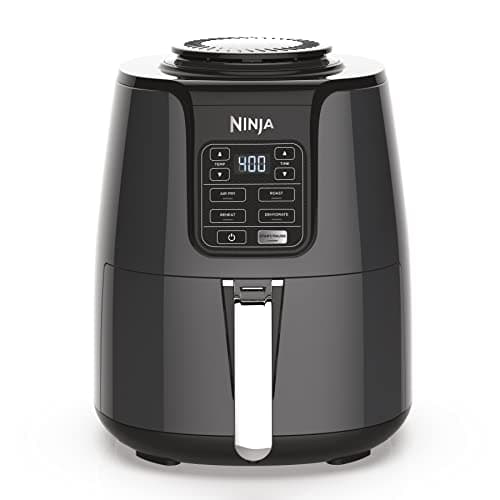
Air fryers — about 9 cents
The first real step up, because now there is a heating element rather than a motor.
- Chefman TurboFry Dual, 1,500 W, 25 minutes — 0.63 kWh ≈ 11 cents
- Ninja AF101, 1,550 W, 20 minutes — 0.52 kWh ≈ 9 cents
- Instant Vortex Plus, 1,700 W, 20 minutes — 0.57 kWh ≈ 10 cents
Cooking five nights a week works out to roughly $2 a month. This is also the first category where the thermostat caveat bites: an air fryer draws full power during preheat and then cycles, so the true figure is somewhat below these. Full detail in what an air fryer costs to run and are air fryers worth it?
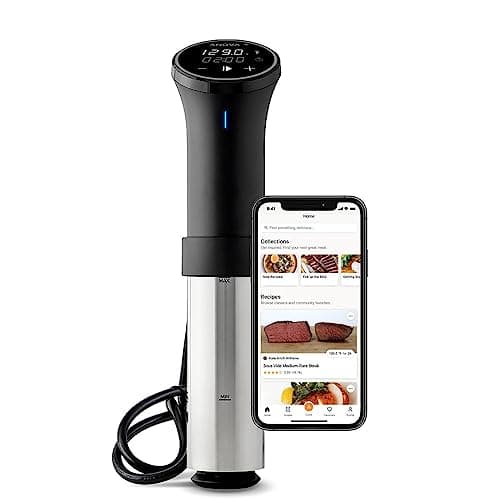
Sous vide — up to about 37 cents for two hours
The most expensive per session, entirely because of duration rather than power.
- Anova Mini, 850 W, 2 hours — 1.7 kWh ≈ 29 cents
- Inkbird ISV-100W, 1,000 W, 2 hours — 2.0 kWh ≈ 34 cents
- Anova Precision Cooker 3.0, 1,100 W, 2 hours — 2.2 kWh ≈ 37 cents
These are the strongest upper bounds in this post rather than realistic figures. A circulator draws full power only while heating the bath, then cycles at a low duty to replace heat lost to the room — so the real number is well under these. We do not have a measured duty cycle and will not invent one. The long-cook figures and the two habits that cut them are in what sous vide costs to run.
The pattern: run time beats wattage
Look at the table sideways and something useful emerges. A 1,400-watt Ninja blender costs 0.6 cents a use. A 300-watt Hamilton Beach stand mixer costs 0.85 cents — more, on a motor less than a quarter the size. The mixer runs for ten minutes; the blender runs for ninety seconds.
So when you are comparing two machines in the same category, wattage is a proxy for capability rather than for cost. Buying the more powerful blender does not meaningfully change your electricity bill. Buying a machine that needs two batches instead of one genuinely does — which is a quiet argument for correct sizing, covered in what size air fryer do I need and what size food processor do I need.
The comparison that actually matters
None of these numbers are worth optimizing in isolation. The reason we publish them is the comparison against a full-size oven, which is where the meaningful saving lives.
An oven element is typically 2,000–5,000 watts, and it is heating a large air-filled cavity plus heavy metal racks, then losing a chunk of that every time the door opens. An air fryer heats a cavity a fraction of the size and is ready in two or three minutes rather than ten to fifteen. For a small portion, the air fryer wins comfortably.
The honest counter-point: for a large quantity, the oven wins. One tray of roast vegetables for six in a single oven cycle beats four sequential air-fryer batches, because each batch pays the preheat cost again. The appliance that saves you money is the one sized to the meal you are actually cooking.
What these numbers do not include
Three honest limits on everything above.
Standby draw. Anything with a clock, a screen or a WiFi radio draws a small amount while plugged in and idle. No manufacturer in our catalog publishes a standby figure, so we cannot quantify it — but across a year of being plugged in it is not nothing, and it is the one argument for unplugging appliances you rarely use.
Missing wattages. Vitamix specifies horsepower rather than watts, and KitchenAid does not publish a wattage for its stand mixers or the KFP1318 food processor. Those machines are absent from the tables above rather than estimated.
Rated versus actual. Every figure uses the rated maximum. For motors that is close to reality under load; for thermostatically-controlled appliances it overstates the true cost, and we have flagged where that gap is widest.
If your electricity rate is well above the national average — and in several states it is close to double — scale everything proportionally. That is the one variable in this post that will actually change your answer.
Frequently asked questions
Which countertop appliance costs the most to run?
Sous vide, per session — an 1,100-watt circulator running two hours has an upper bound of about 37 cents at the US average of 17 cents per kWh. It is not the most powerful appliance; it is simply the one that stays on longest.
Do air fryers use a lot of electricity?
No. A 1,550-watt air fryer running a 20-minute batch uses 0.52 kWh, about 9 cents. Cooking five nights a week works out to roughly $2 a month — and less than heating a full-size oven for the same small portion.
How do I calculate what my appliance costs to run?
Watts divided by 1,000, times hours of use, times your electricity rate. We use the US average of $0.17 per kWh, but rates vary by roughly a factor of three between states, so your own rate from your bill matters more than the appliance you choose.
Does a higher-wattage appliance cost more to run?
Only if it runs as long. A 1,400-watt blender costs 0.6 cents per use while a 300-watt stand mixer costs 0.85 cents, because the mixer runs ten minutes and the blender ninety seconds. Run time matters more than the rating on the box.
Is an air fryer cheaper than an oven?
For small portions, clearly. An oven element is typically 2,000-5,000 watts heating a large cavity with heavy racks, and takes ten to fifteen minutes to preheat. For a large tray of food for six, the oven wins — one cycle beats four sequential air fryer batches.
Why don't you list wattages for Vitamix and KitchenAid?
Because they do not publish them. Vitamix specifies its blenders as 2 HP rather than in watts, and KitchenAid does not give a wattage for its stand mixers or the KFP1318 food processor. Rather than estimate, we leave them out of the tables.
Sources
Keep reading
Running costs
How Much Does an Air Fryer Cost to Run?
A typical air fryer costs about 9 to 10 cents of electricity per batch. Here is exactly how that is calculated.
Guide
What Does Sous Vide Actually Cost to Run?
Worked electricity math for 2, 8 and 48-hour sous vide cooks, and the two habits that cut it most.
Guide
Are Air Fryers Worth It?
The running-cost math, the counter space, what an air fryer actually replaces — and who should skip it.
Guide
Are Blenders Worth It?
What a blender does that nothing else can, what it costs to own and run, and who should skip it.
Guide
Are Food Processors Worth It?
What a food processor does that nothing else can, the real cleaning cost, and who genuinely should not buy one.
https://wattandwhisk.com/blog/what-countertop-appliances-cost-to-run